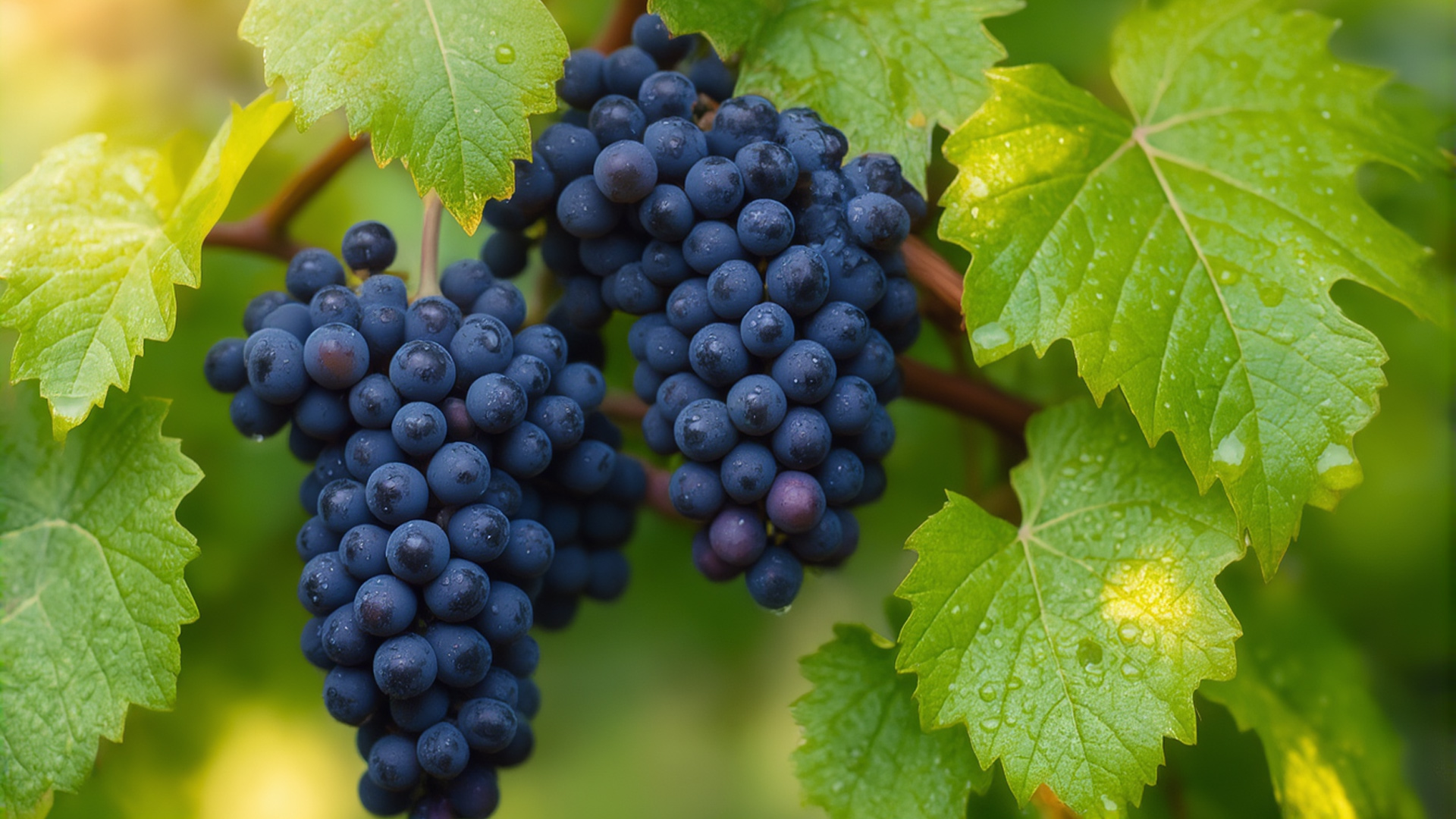




Chinese Name: Sangiovese (æ¡å¨ç»´å¡)
Other Names: Brunello, Prugnolo Gentile, Morellino, Nielluccio, Sangioveto, Sangiovese Grosso, Sangiovese Piccolo
Country of Origin: Italy (Tuscany / Emilia-Romagna)
Growing Regions: Italy, Argentina, United States (California), Australia
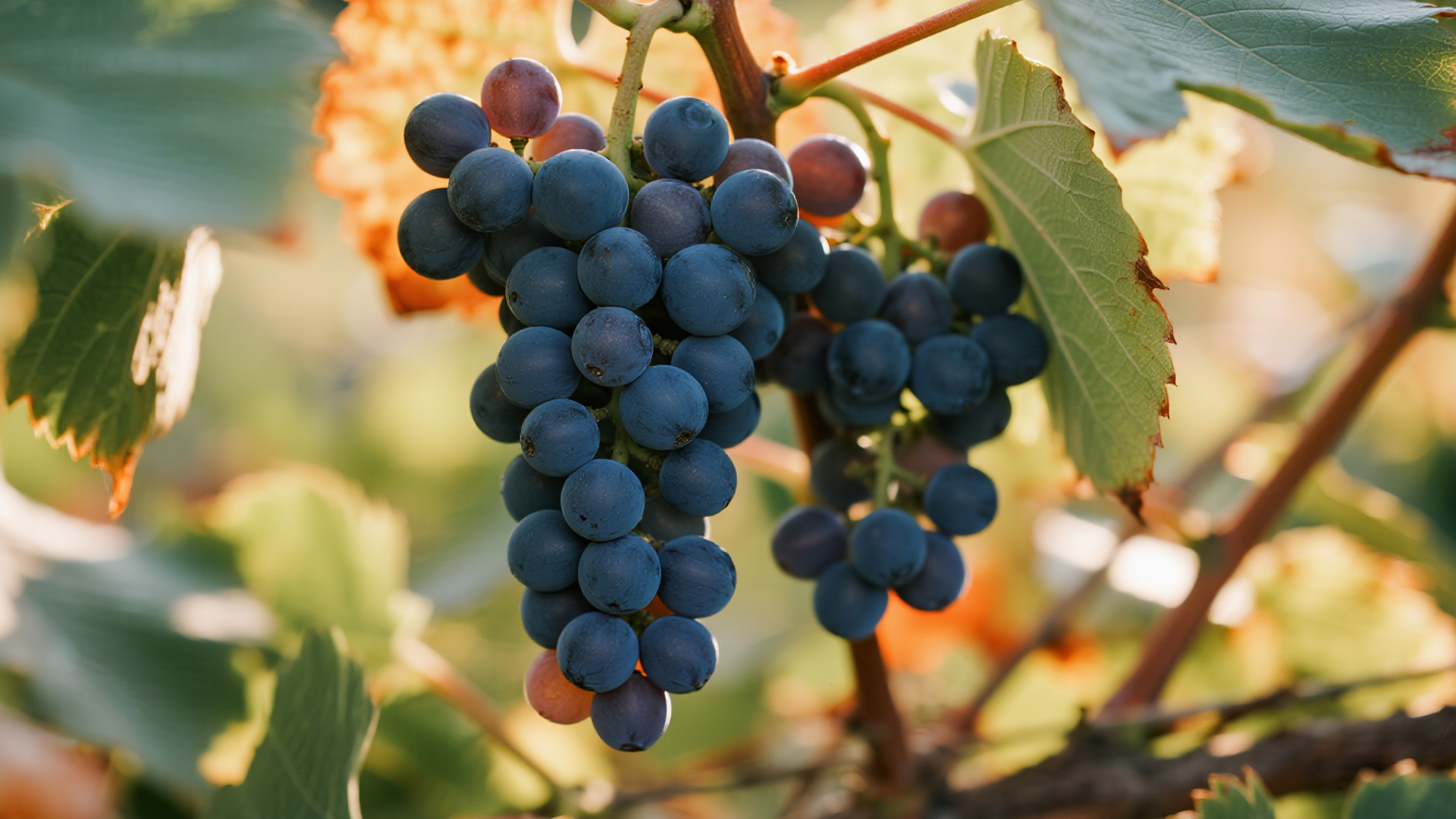
Typical Aromas: cherry, plum, dried tomato, leather, tobacco, aromatic herbs
Sangiovese is Italy’s iconic grape variety, the backbone of Tuscany’s greatest wines.
I. Origins and Etymology
- The name Sangiovese is thought to derive from the Latin Sanguis Jovis, meaning “blood of Jupiter,” reflecting its ancient origins and the reverence it inspired.
- Native to central Italy, primarily Tuscany and Emilia-Romagna, it is mentioned in texts as early as the 16th century.
II. The Grape of Tuscany
- Sangiovese is the reigning grape of Tuscany, where it accounts for over 60% of regional vineyard plantings.
- It is the soul of Chianti and Chianti Classico, where it must constitute at least 70% of the blend.
- In Brunello di Montalcino, Sangiovese â locally called Brunello â is vinified as a single varietal and produces one of Italy’s most prestigious wines, capable of aging for decades.
- Vino Nobile di Montepulciano and Morellino di Scansano are also distinctive Tuscan expressions of Sangiovese.
III. Tasting Profile
- Sangiovese produces wines with a ruby color, firm but elegant tannins, and bright acidity â characteristics that make it an excellent table companion.
- Its aromatic profile combines red cherry, plum, with notes of dried tomato, leather, tobacco, and Mediterranean herbs.
- With age, great Sangiovese develop complex tertiary aromas of forest floor, damp earth, and aged leather.
- Outside Italy, Sangiovese is successfully grown in Argentina (Mendoza) and California, where it yields fruitier, more accessible wines.
THE END



Please log in to view comments