How red wine is made, step by step: Harvesting â Preparing Grapes for Fermentation â Adding Yeast â Fermentation â Pressing â Malolactic Fermentation â Aging â Blending â Clarifying â Bottling and Labeling â Bottle Aging
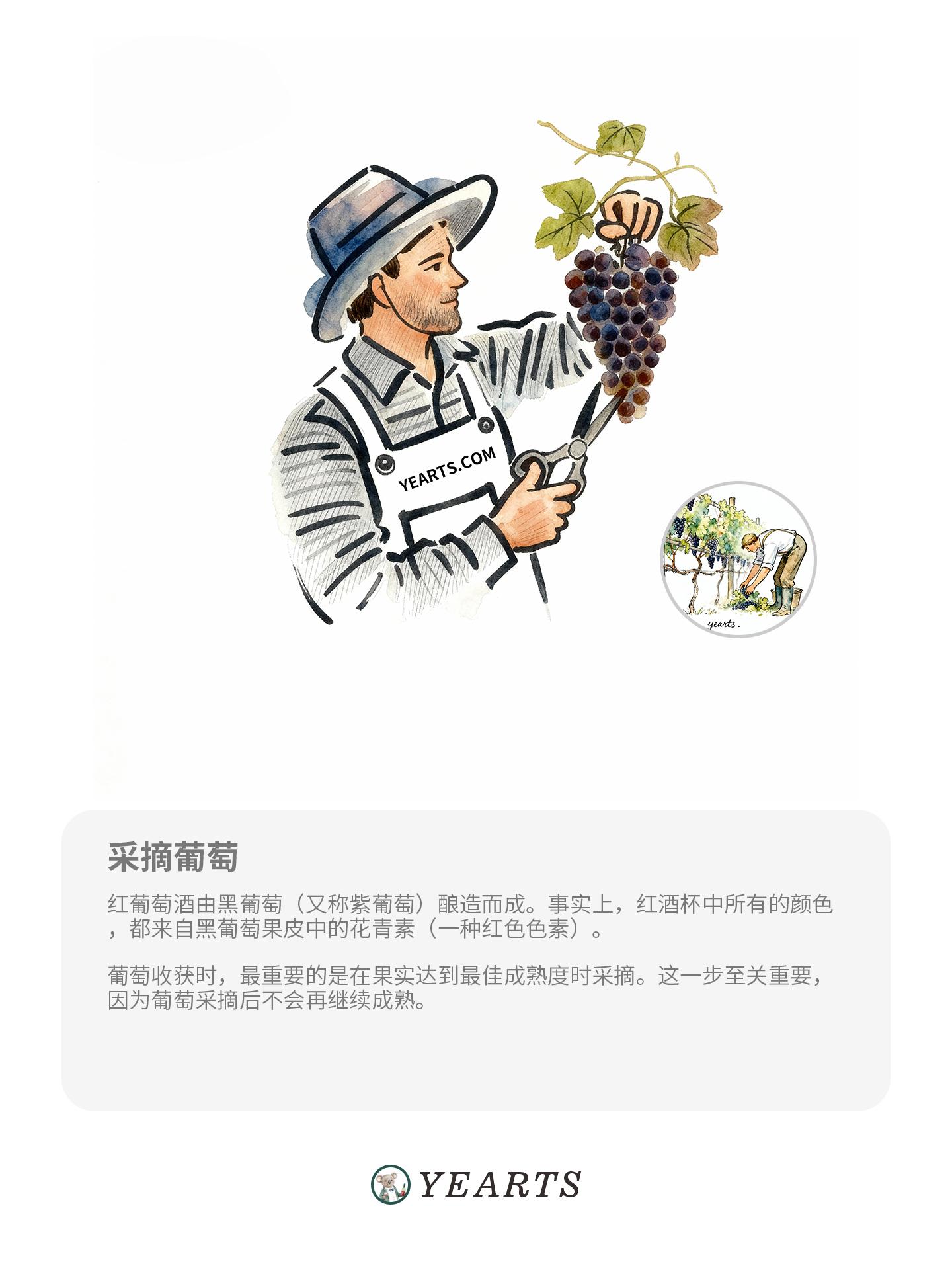
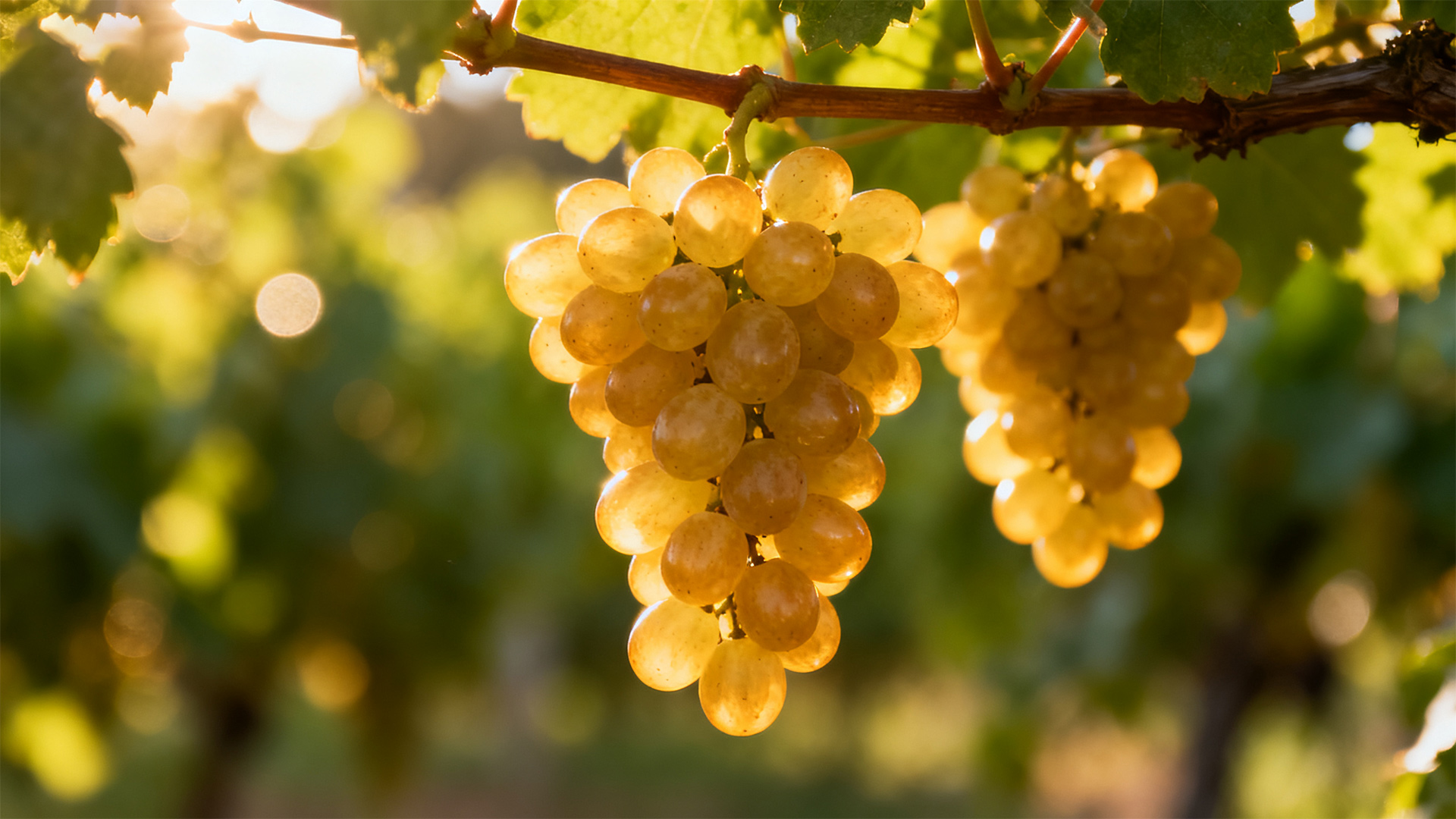
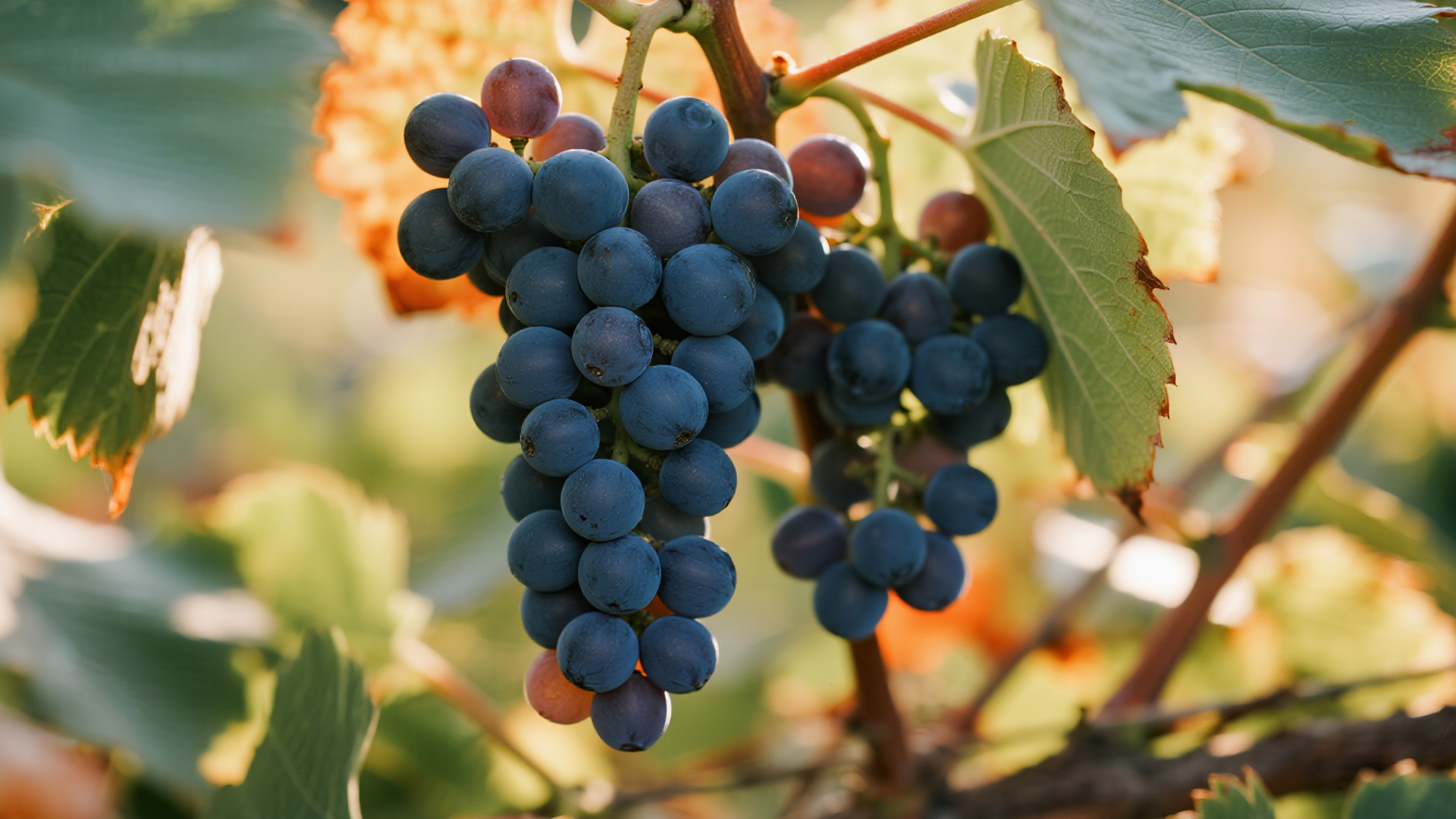
The winemaker decides when to harvest and whether to pick by hand or machine. Red grapes typically ripen later than white grapes, and they stop ripening once picked. Getting the timing right is critical â harvest too early and the wine turns out astringent and thin; wait too long and it becomes overripe and flabby.
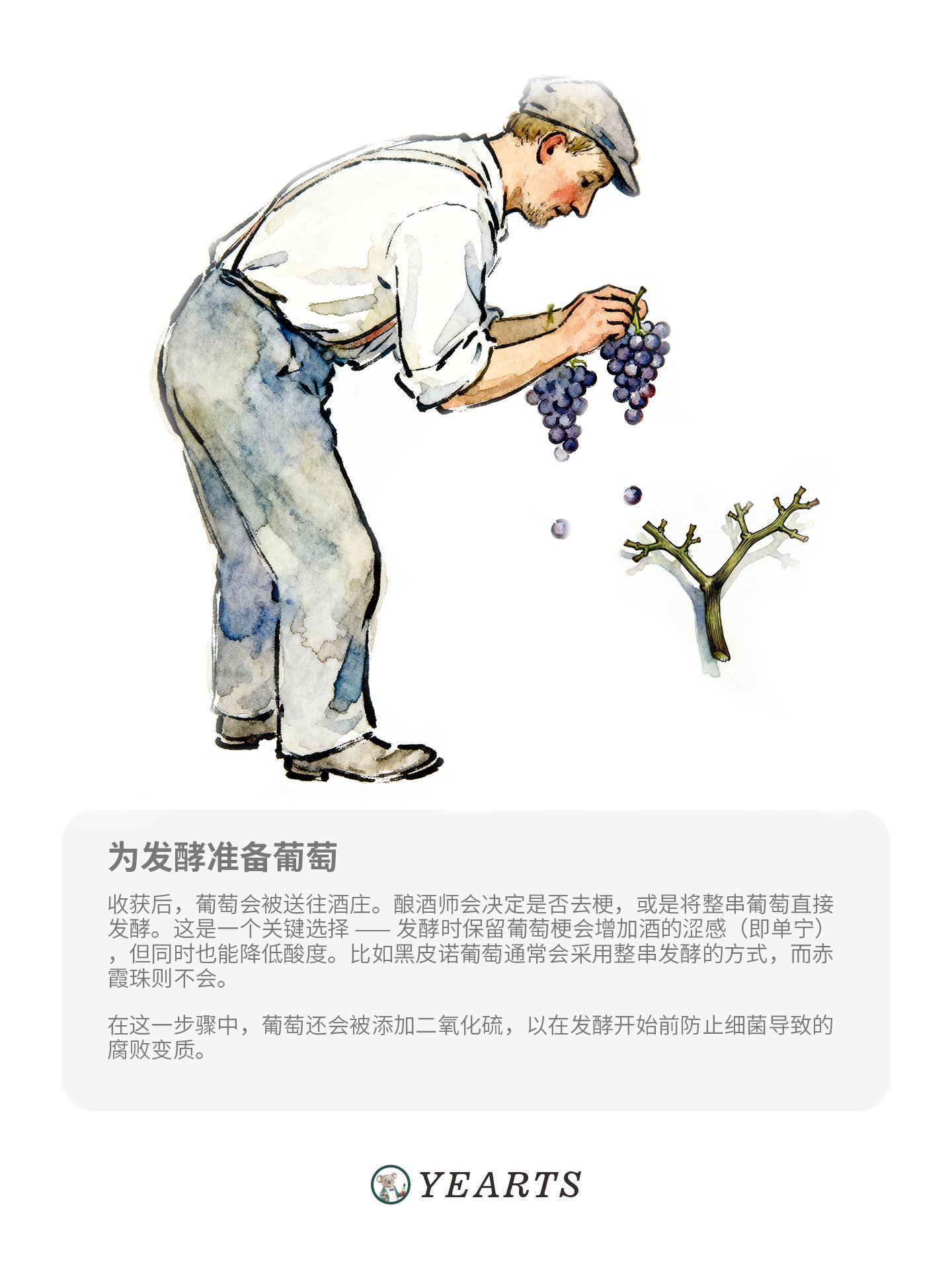
The grape clusters are destemmed first. Some winemakers choose to ferment with whole clusters to increase tannin. During the cold soak, the must (grape juice) is analyzed. Most winemakers add sulfur dioxide at this stage to prevent microbial spoilage.
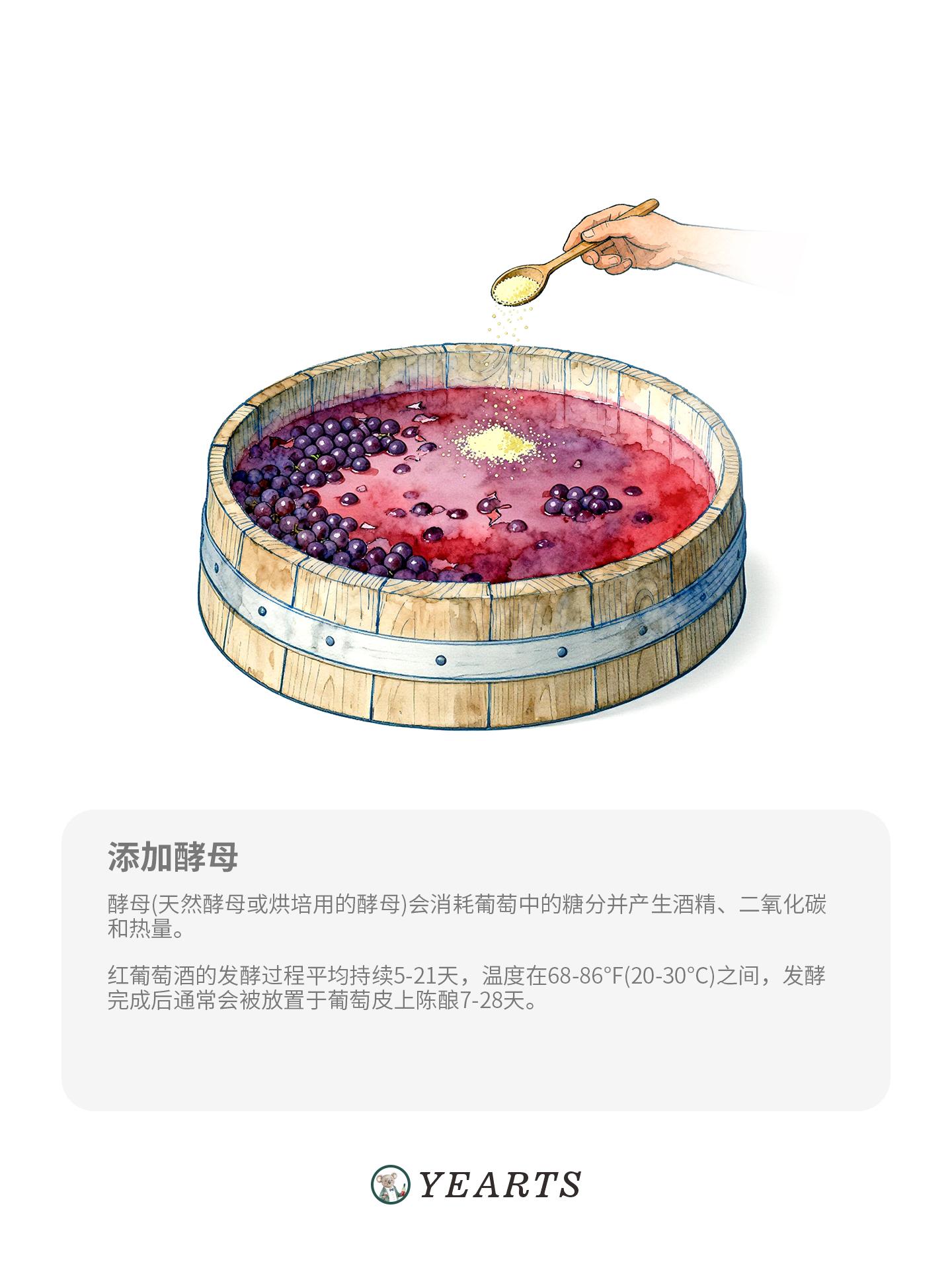
Yeast consumes the sugars in the grapes and converts them into alcohol. Winemakers can use commercial yeast or rely on wild, native yeasts. Commercial yeast delivers consistent results year after year. Wild yeast is harder to manage but often produces more complex aromas.
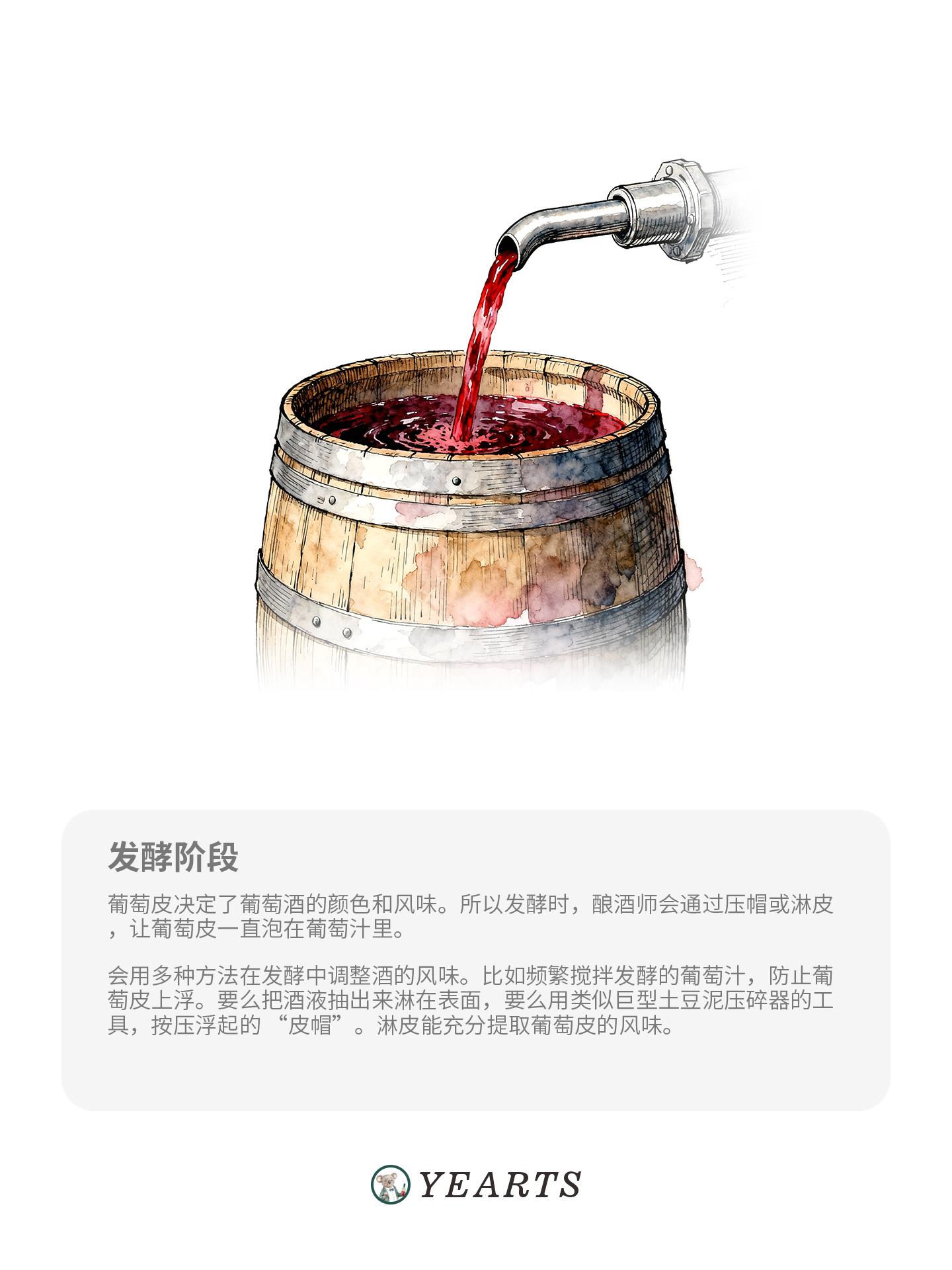
Fermentation lasts roughly 2 weeks. The winemaker adjusts the wine’s character through several techniques. Because grape skins float to the top, they must be regularly punched down or pumped over to keep them submerged. Pump-overs extract maximum color and flavor from the skins, producing bold red wines. Punch-downs are gentler, yielding reds with a more refined texture.
Most fermentations last 5 to 21 days, though special styles like Vin Santo or Amarone can take 50 days to 4 years. Once fermentation finishes, the free-run wine is drained from the tank. The remaining skins and seeds are then pressed, yielding roughly 15% more wine.
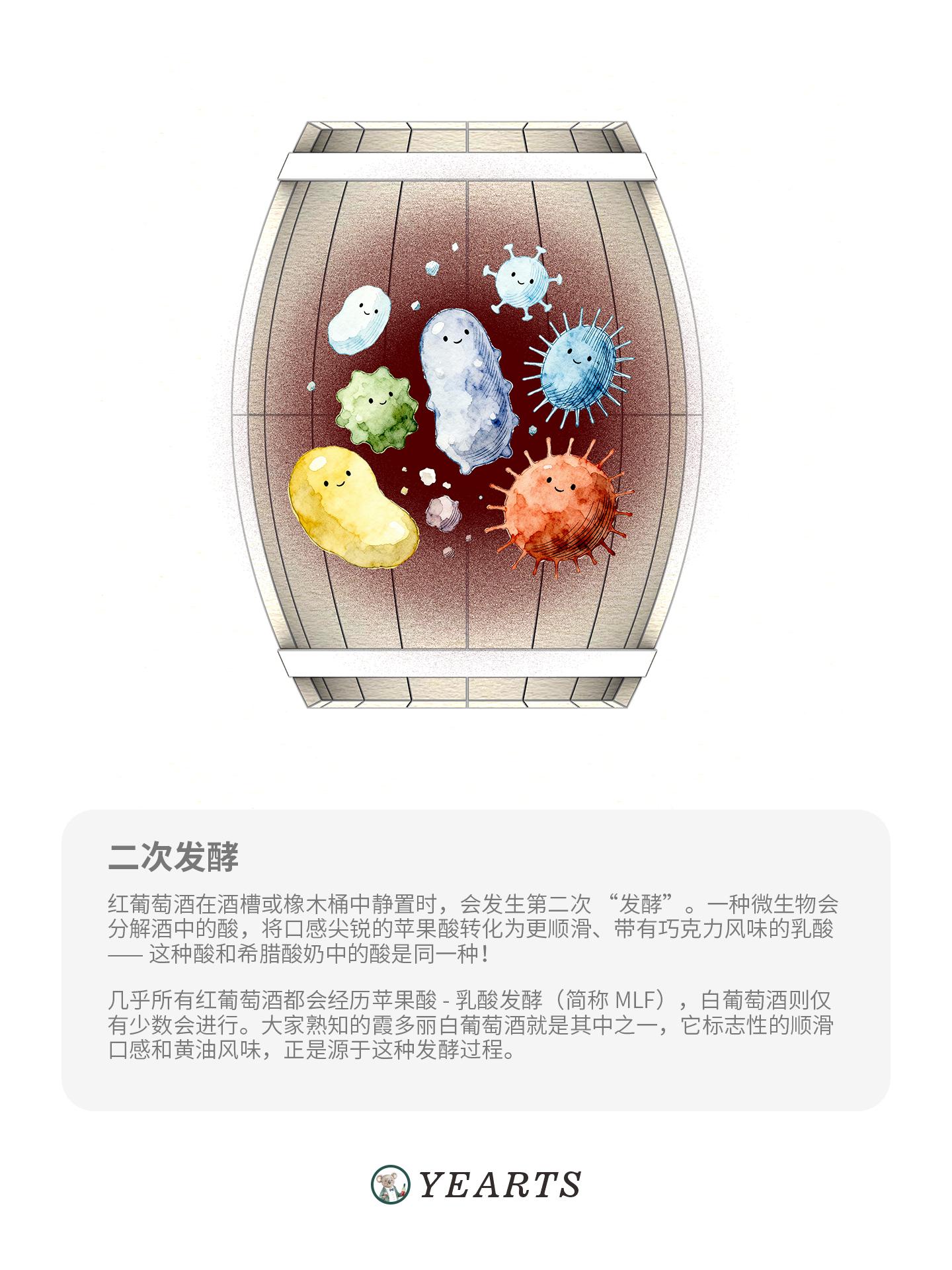
As red wine rests in tanks or barrels, a secondary fermentation occurs. Bacteria convert sharp malic acid into smoother, creamier lactic acid with chocolate-like undertones. Nearly all red wines go through malolactic fermentation. Some white wines, like Chardonnay, also undergo it to develop buttery, creamy flavors.
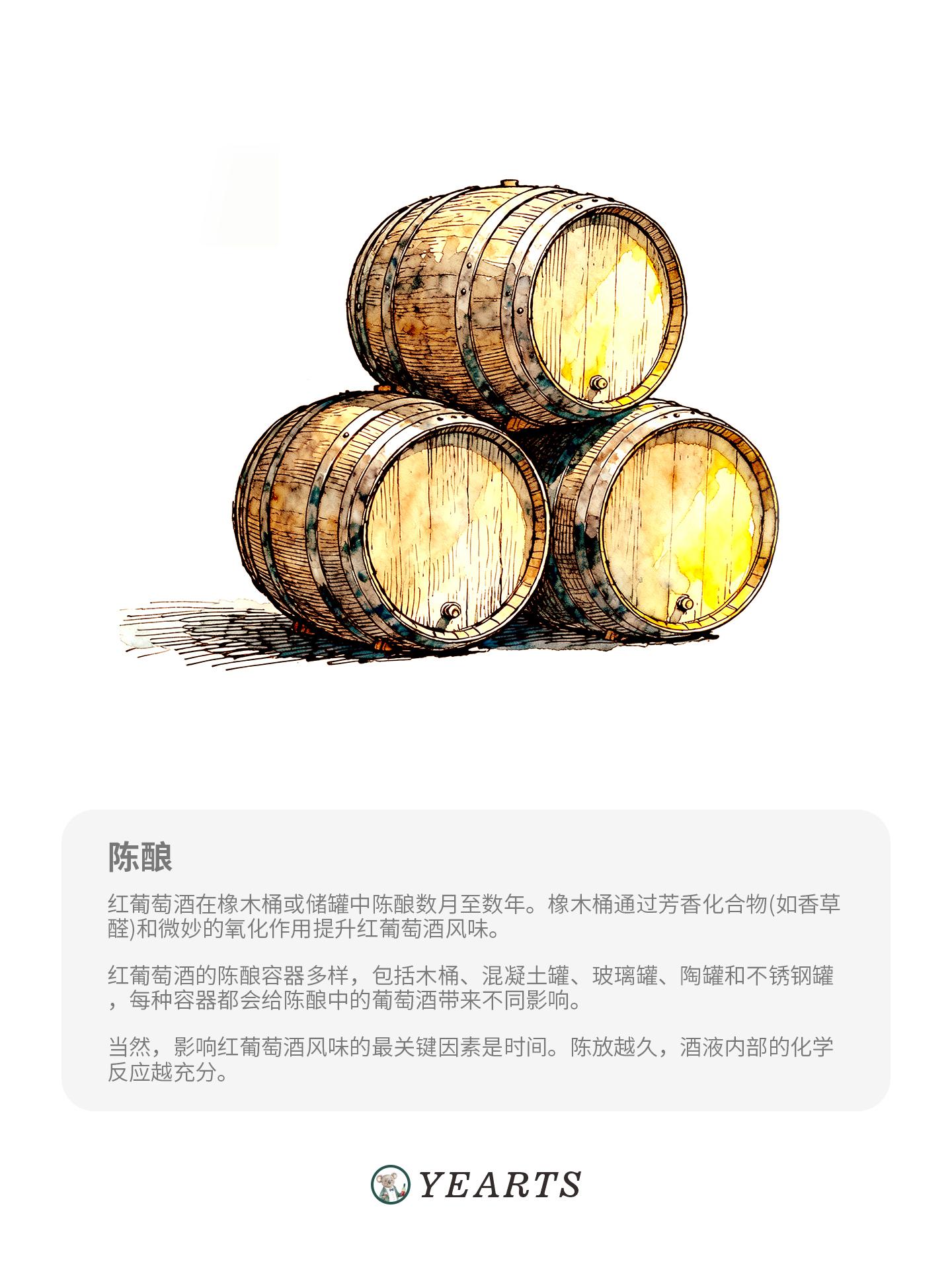
Red wines age in various vessels â oak barrels, concrete tanks, glass carboys, clay amphorae, or stainless steel tanks â for anywhere from a few months to several years. Oak barrels add aromatic compounds like vanilla and introduce subtle oxidation. Unlined concrete and clay vessels soften acidity and round out the texture. Longer aging allows more chemical interactions inside the wine, producing a smoother mouthfeel and sometimes nutty characteristics.
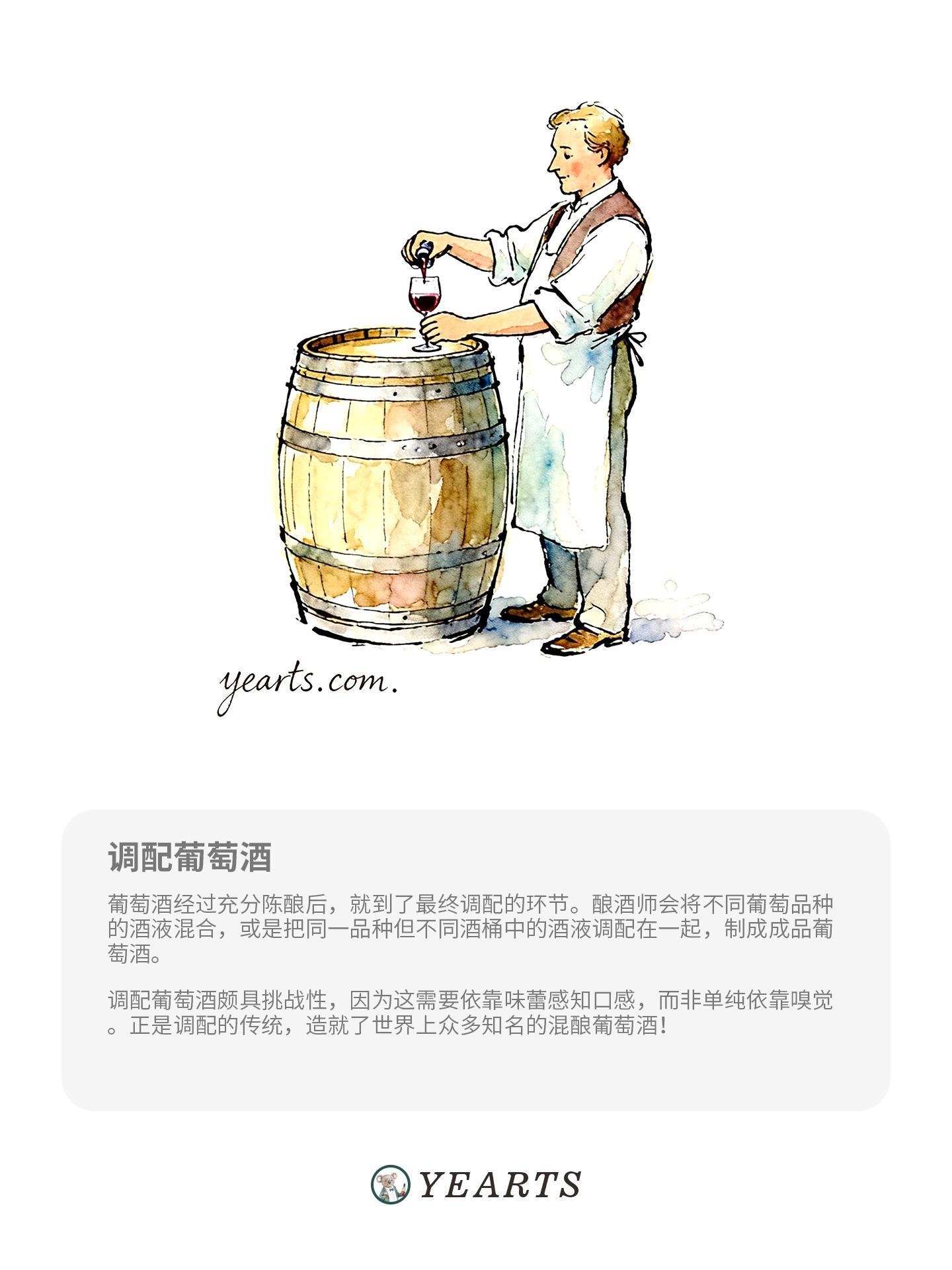
After aging, the winemaker performs the final blend. This may involve mixing different grape varieties or combining multiple barrels of the same variety. Blending relies on the palate â judging texture rather than aroma alone â and this tradition has produced many of the world’s most famous wine blends.
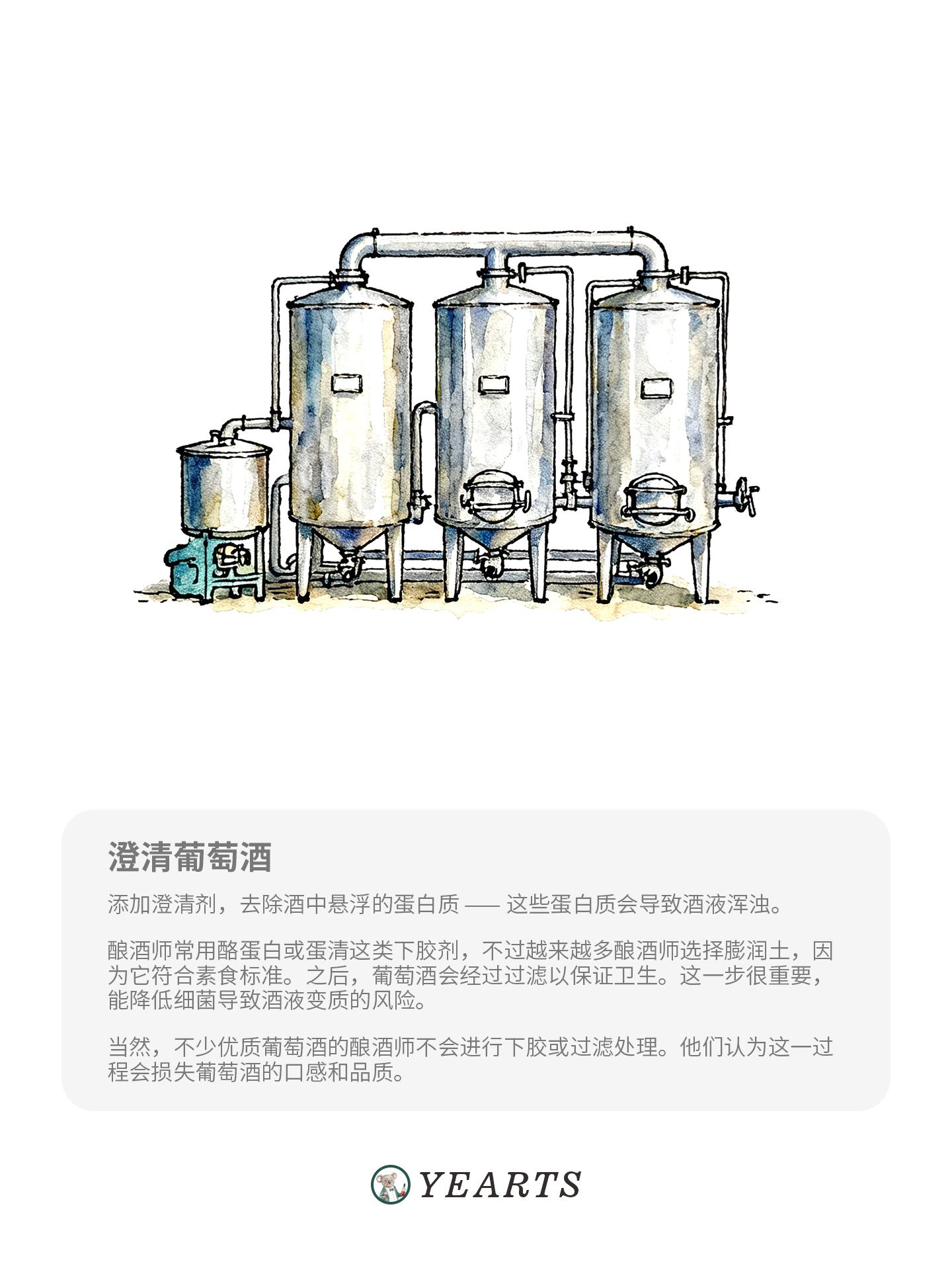
This is one of the key finishing steps. The winemaker adds fining agents â such as casein or egg whites â to remove suspended proteins and prevent haze. A growing number of winemakers now use bentonite, a vegan-friendly alternative. The wine is then filtered to reduce the risk of bacterial spoilage. That said, some quality-focused producers skip fining and filtration entirely, believing it preserves the wine’s texture and character.
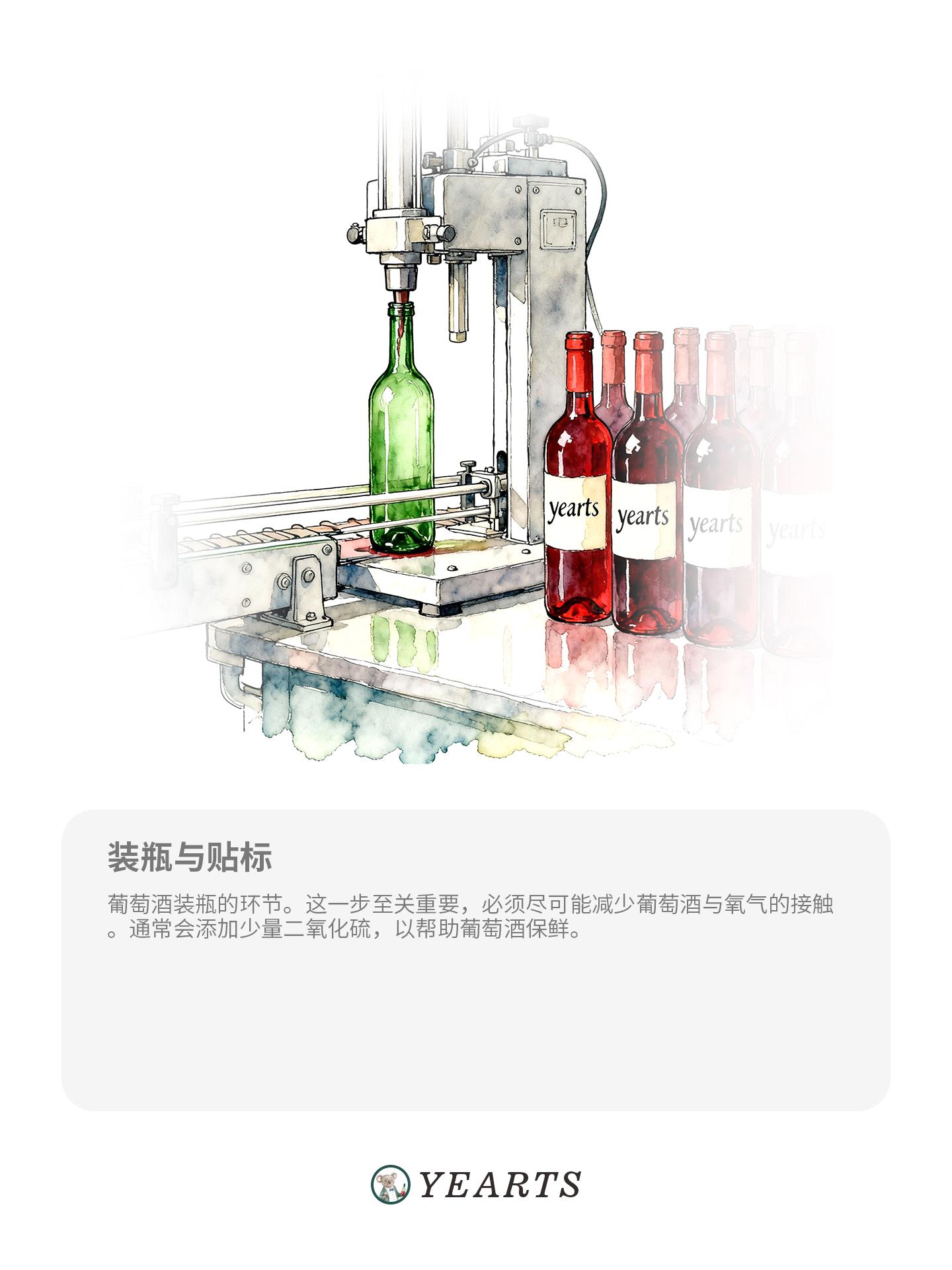
Bottling is done with minimal oxygen exposure. Some winemakers add a small dose of sulfur dioxide at this stage for preservation. If a freshly bottled wine is opened too soon, it may suffer from “bottle shock,” which temporarily dulls its aromas and flavors.
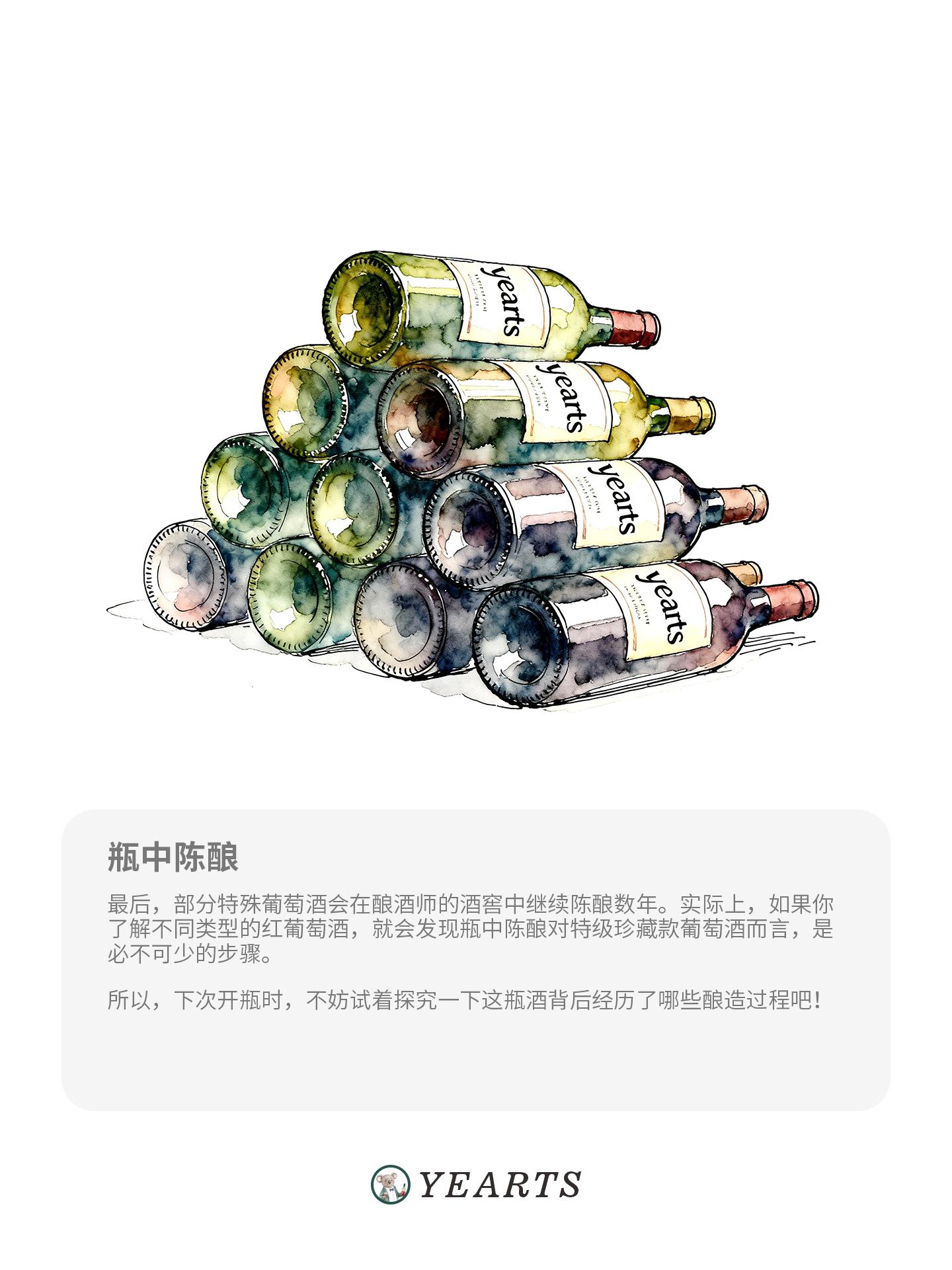
Finally, certain special wines continue aging in the winery’s cellar for years. In fact, if you explore different styles of red wine, you’ll find that bottle aging is an essential step for Gran Reserva-level wines in particular.
So the next time you open a bottle, take a moment to think about all the steps that went into making it.







Please log in to view comments