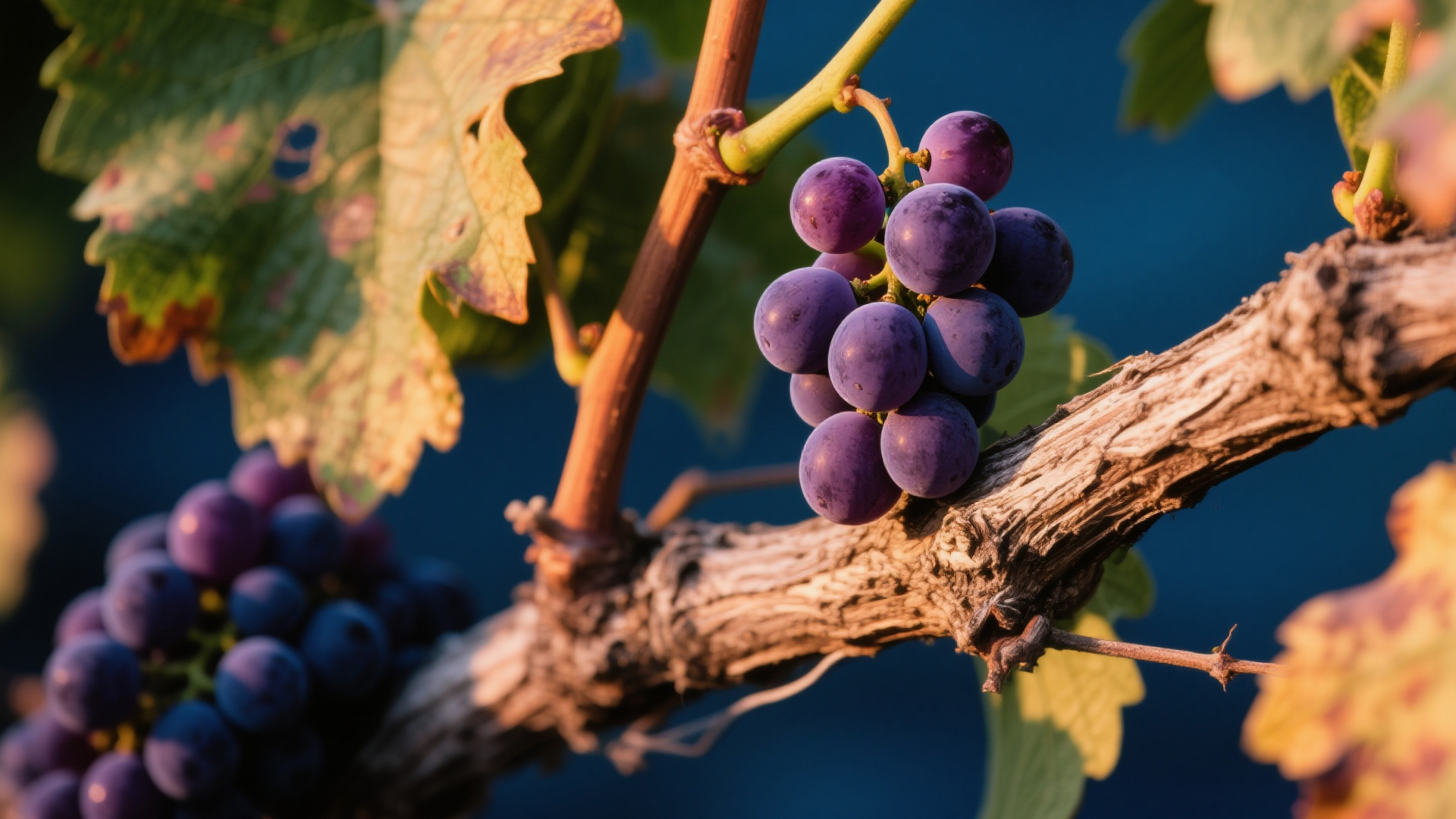




Alias: Bouton Blanc, Carmelin, Heran, Lambrusquet, Petit Verdau, Petit Verdot Noir, Verdau, Verdot, Verdot Petit
Origin: France
Growing Regions: France, Spain, Italy, Australia, United States, South Africa, and other regions.
Typical Aromas: Blackcurrant, blackberry, blueberry, bramble, prune, cedar, cloves, lavender, sage, and smoke.
Petit Verdot is a red grape variety originating from the Gironde basin in southwestern France.
I. Origin and Etymology of the Name
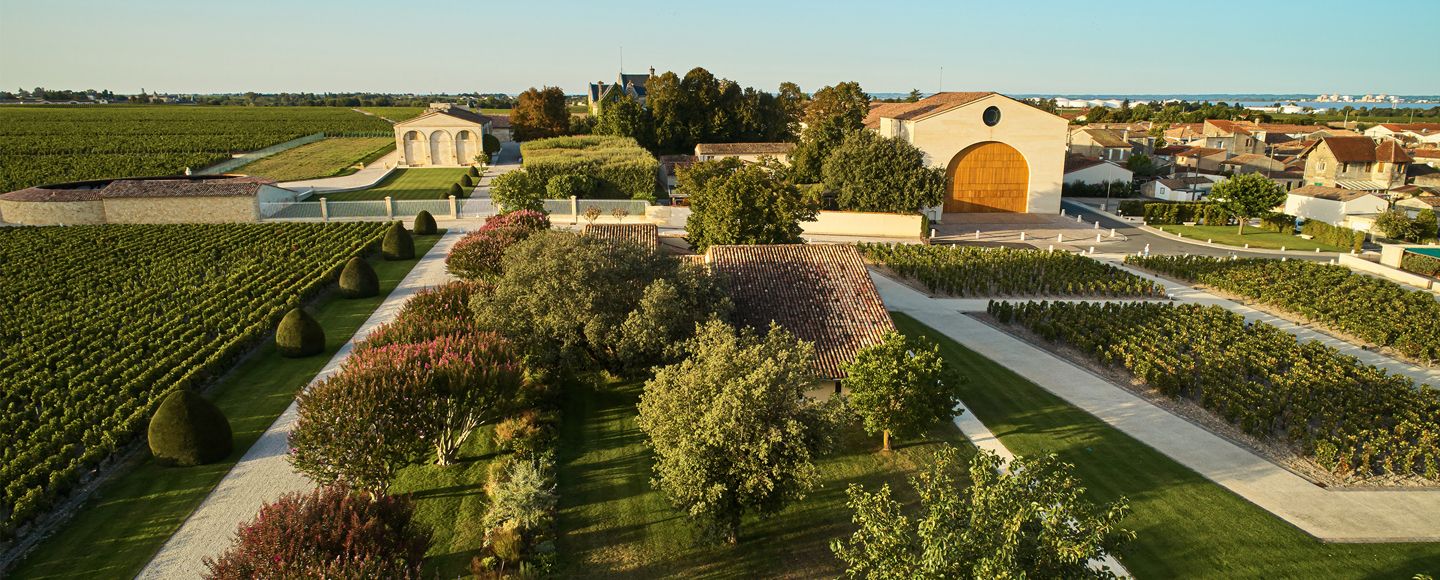
Place of Origin: Petit Verdot was initially cultivated in the Gironde basin in southwestern France, primarily in the Bordeaux region.
Origin of the Name: The term “Verdot” derives from vert, meaning “green” in French. This refers to its late ripening: at harvest, the berry skin often retains greenish hues.
II. Grape Characteristics and History
Characteristics: This variety buds early but ripens very late â even later than Cabernet Sauvignon. It is vigorous and offers good yields. Its berries are small with thick skins, making it resistant to grey rot. It thrives on gravelly soils. In cool climates, however, small seedless berries with green skin may appear.
History: Petit Verdot was once the dominant grape variety in the Queyries vineyard on the left bank of the Gironde. Due to its late ripening, many growers gradually abandoned it during the 1960s and 1970s, leading to a sharp decline in planted area. Subsequently, partly due to global warming, cultivation resumed.
III. Growing Regions and Winemaking Use
Growing Regions: Widely cultivated in France, Petit Verdot has also spread to Spain, Italy, Australia, the United States, South Africa, and other countries whose climates and soils suit it well.
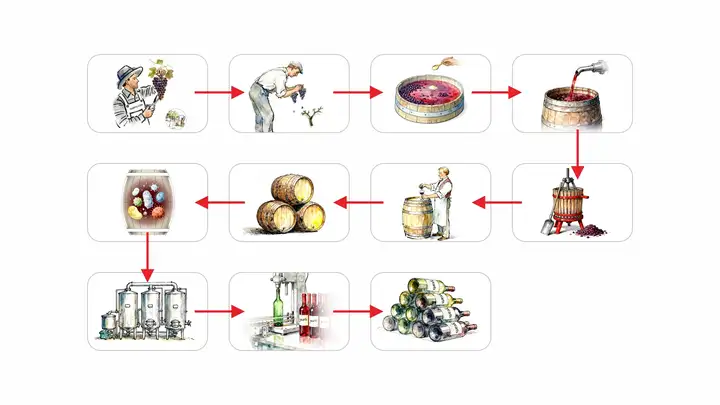
Winemaking Use: It is primarily used to produce red wines and holds an important place in Bordeaux blends. Even when used in small proportions, it contributes deep color, powerful tannins, and aromatic complexity to wines. In warm climates, single-varietal wines are also produced â full-bodied and rich in fruit.
IV. Grape Identification and Tasting Profile
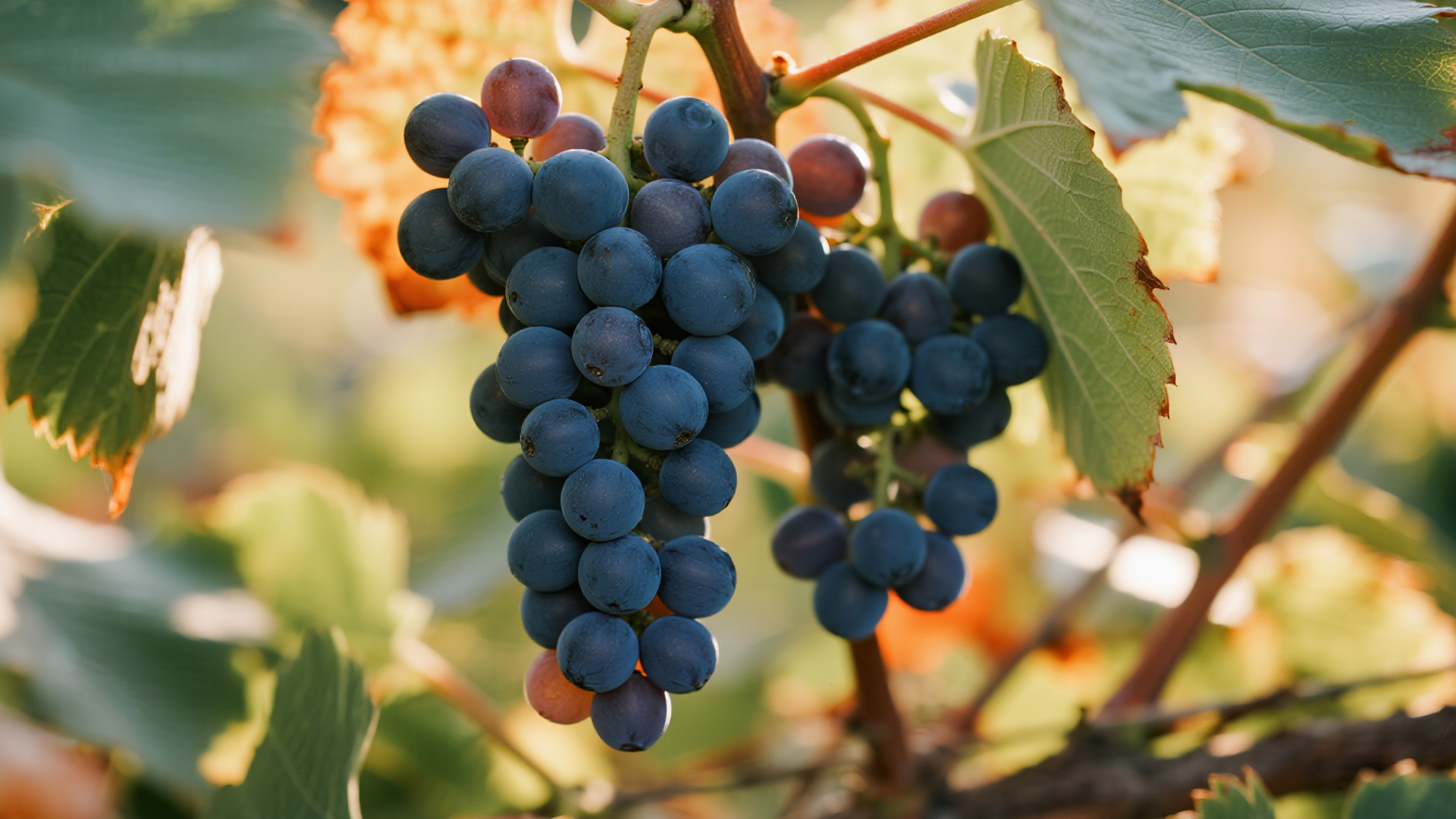
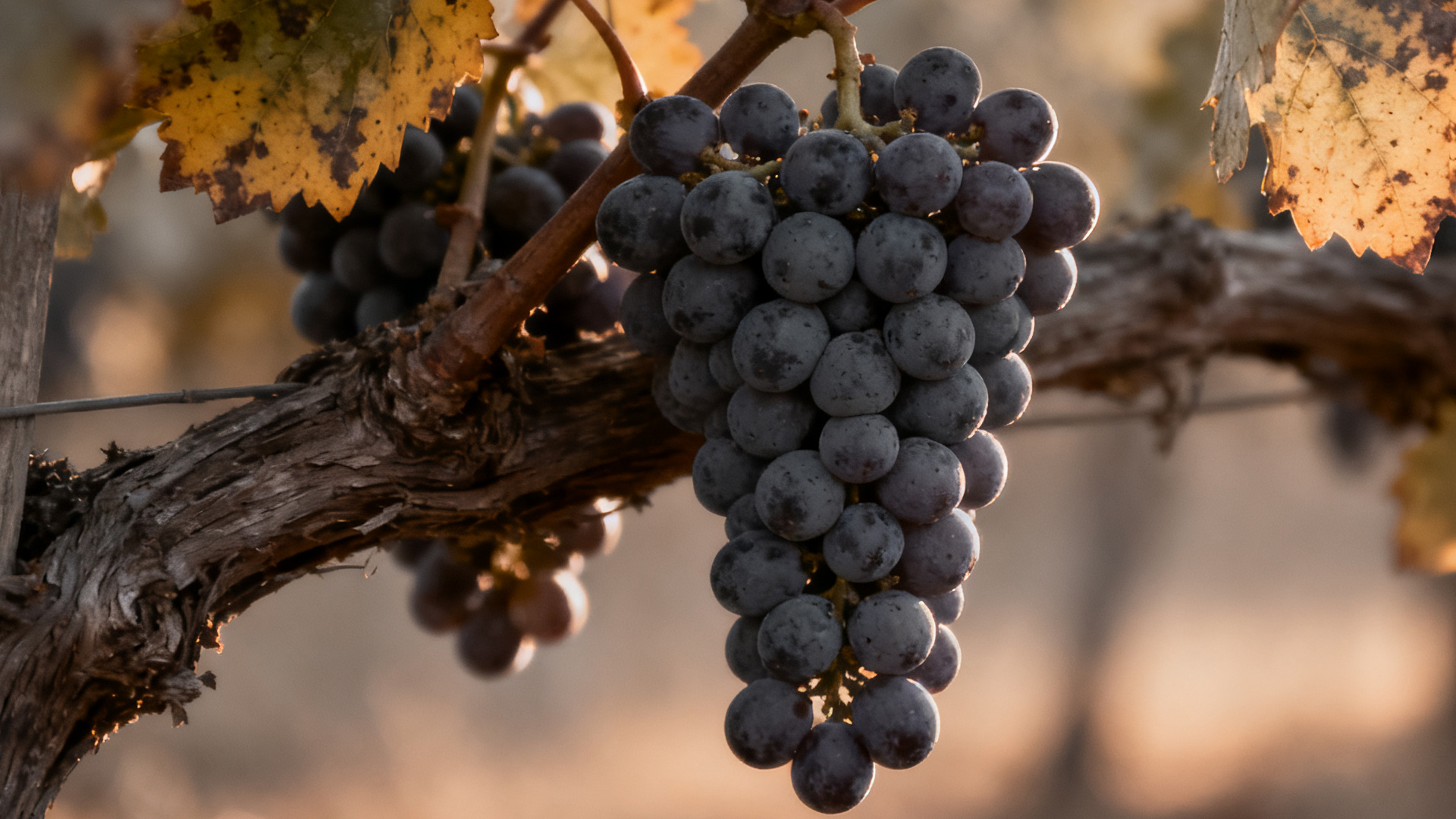
Grape Identification: Young shoots are dark green; young leaves mix green and red. Annual canes are reddish-brown. Mature leaves are small and cordate in shape. Clusters are medium-sized and conical, with small, nearly round berries of purplish-black color.
Tasting Profile: Petit Verdot wines are typically rich in tannins. Their characteristic aromas combine blackcurrant, blackberry, blueberry, bramble, prune, cedar, cloves, lavender, sage, and smoke. These characteristics give them a complex and deep palate.



Please log in to view comments