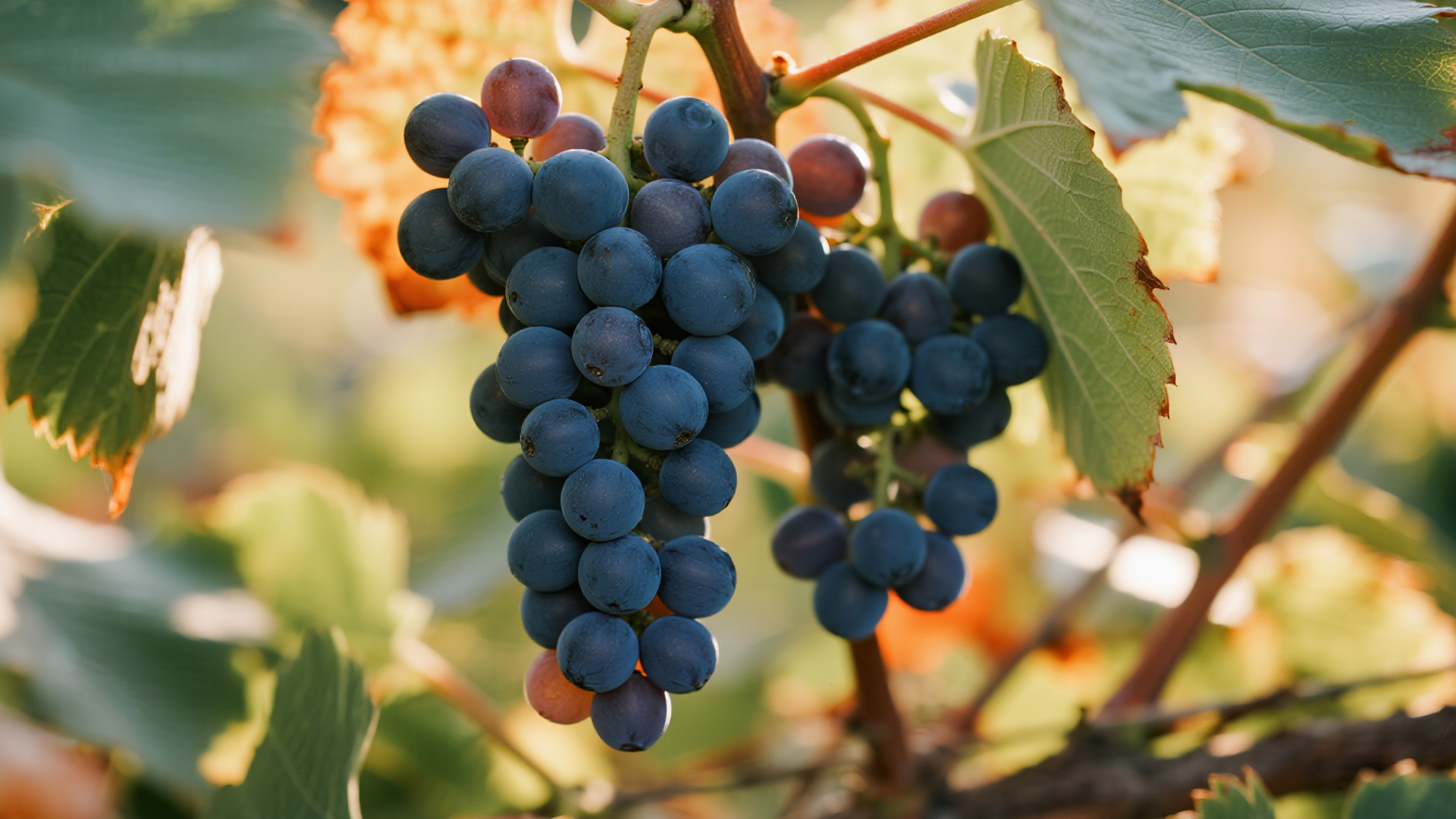




Alias: Bouton Blanc, Cabernet Carmenere, Cabernella, Carbouet, Grand Carmenet, Grand Vidure, Grande Vidure, Karmene
Origin: Bordeaux, France
Growing Regions: Chile, Italy, United States, Argentina, New Zealand, Canada, France
Typical Aromas: Blueberry, blackberry, blackcurrant, strawberry, cherry, chocolate, and tobacco.
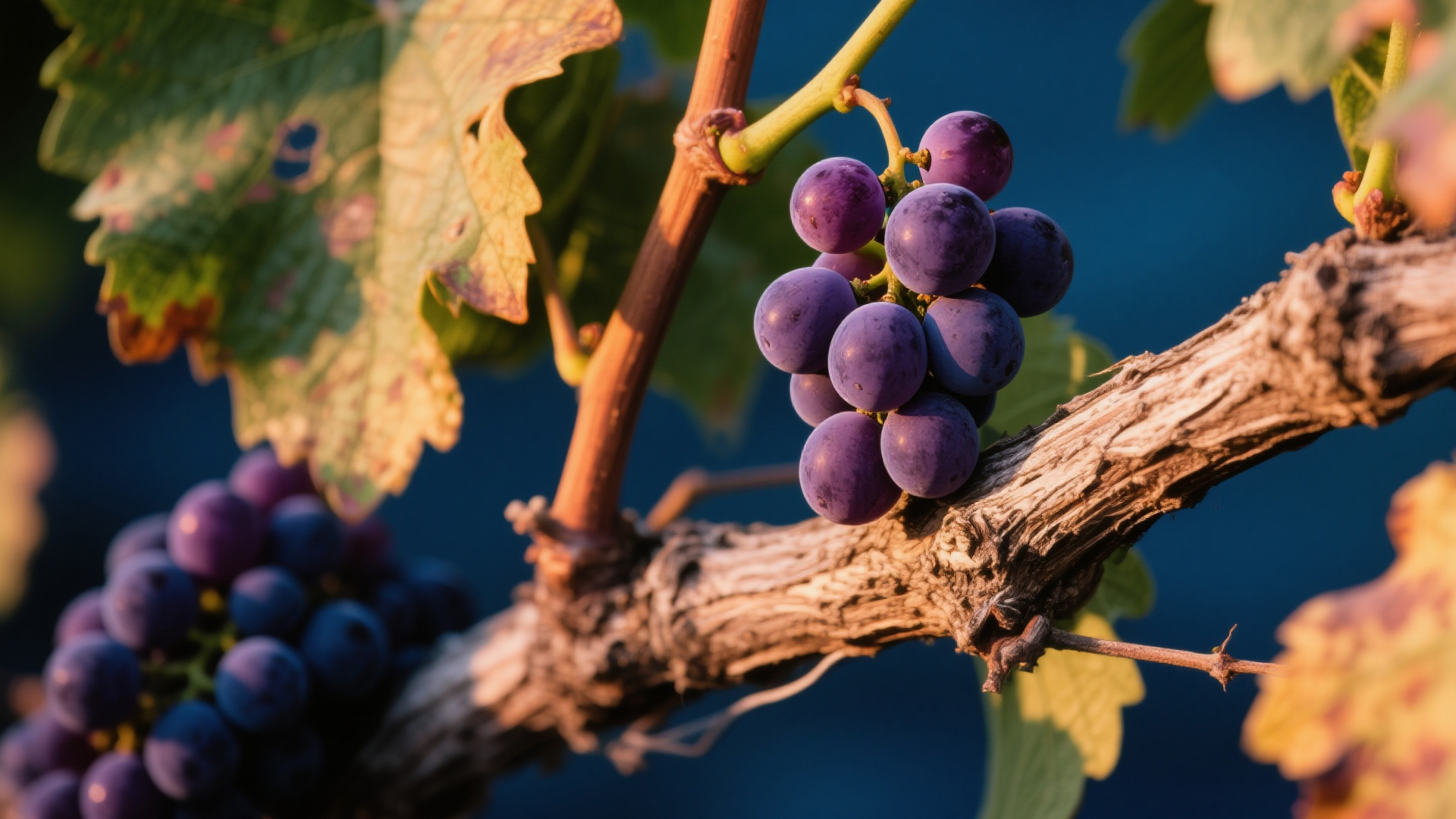
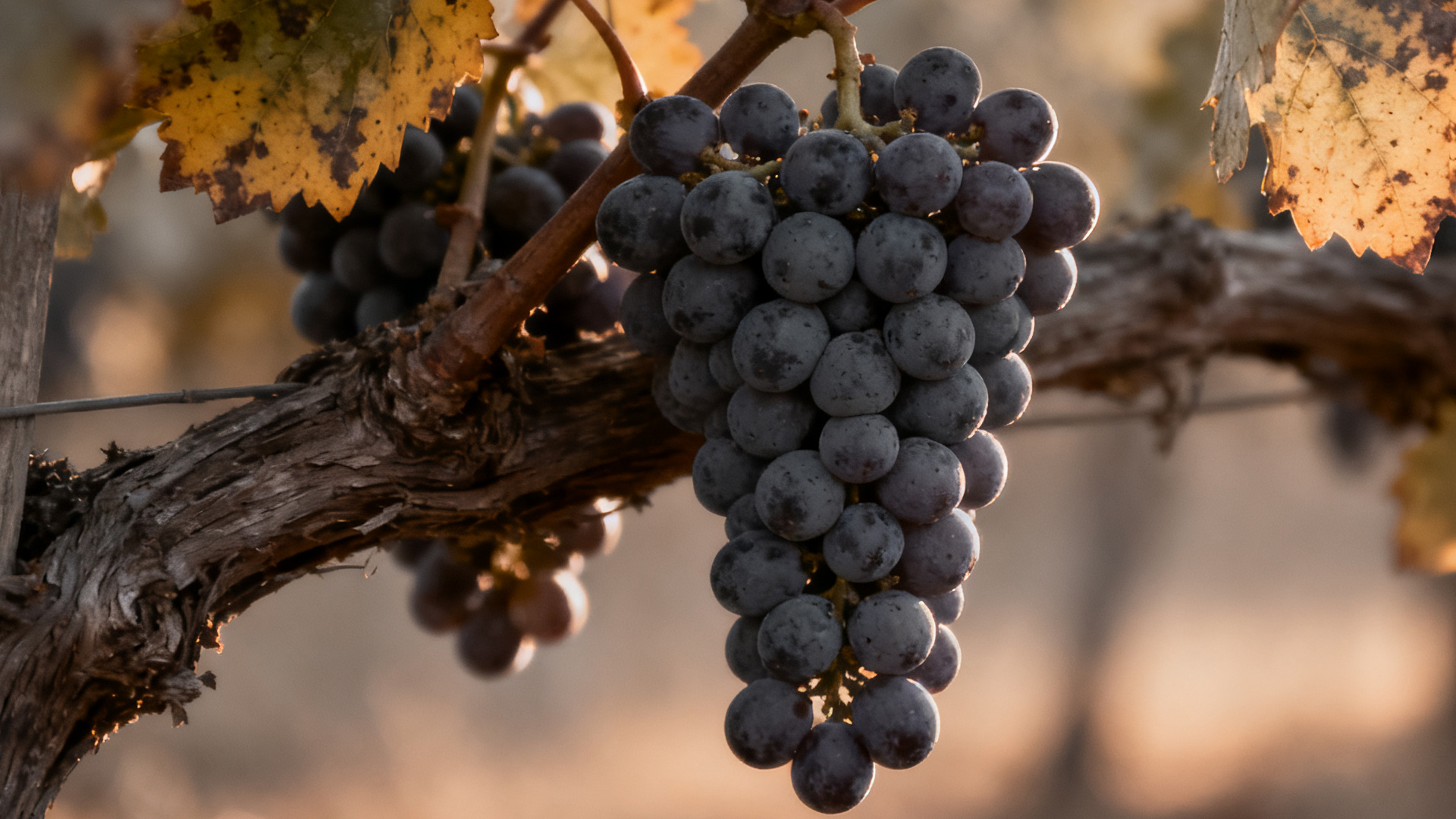
Carmenère is a red grape variety originating from the Bordeaux region of France.
I. Origin and History
Origin: Carmenère has its roots in Bordeaux, specifically in the Médoc.
History: The earliest traces of this variety date back to the 18th century. It was then widely cultivated in Bordeaux and counted among the six great Bordeaux grape varieties, alongside Cabernet Sauvignon and Cabernet Franc. However, susceptible to phylloxera and with modest yields, Carmenère gradually disappeared from Bordeaux vineyards in the mid-19th century, nearly going extinct in France.
II. Spread and Revival
Introduction to Chile: Fortunately, before the phylloxera epidemic of the mid-19th century, Carmenère vines had been imported to Chile in South America. The Chilean climate and soils suited it perfectly, allowing it to survive and thrive.
Official Identification: Long confused with Merlot in Chile, the variety was only formally identified as Carmenère in 1991 through DNA analysis. This discovery revealed to Chile the richness and potential of this unique grape variety.
III. Modern Cultivation and Winemaking
Growing Regions: Today, Chile is the world’s leading producer of Carmenère, with over 8,800 hectares planted. It is also found in small quantities in Italy, the United States, Argentina, and New Zealand.
Winemaking Characteristics: Wines from Carmenère display a distinctive bouquet dominated by black fruits (blackberry, blueberry), chocolate, and tobacco. On the palate, they are generous with supple tannins. It is a late-ripening variety: its wines generally require extended aging to express their full aromatic complexity.
IV. Grape Characteristics and Growing Constraints
Vegetative Characteristics: Carmenère is a vigorous variety that adapts well to poor soils. However, its berries are small, it often suffers from poor fruit set, and its roots are vulnerable to disease, resulting in naturally low yields.
Growing Constraints: To produce quality wines, growers must practice careful cultivation, limit yields, and harvest grapes at full maturity. Due to its late ripening, it requires regions with abundant sunshine and a warm climate.




Please log in to view comments