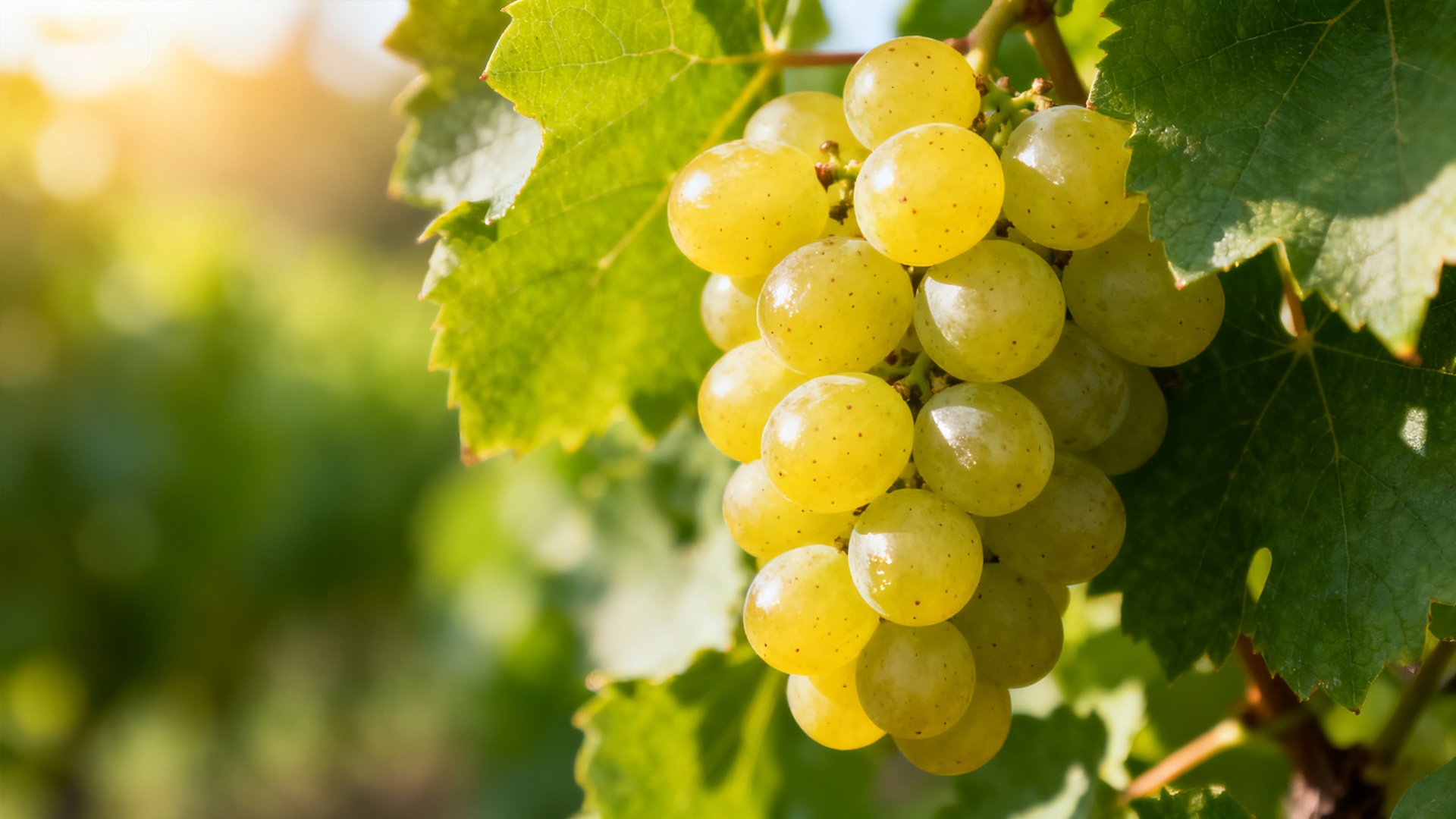




Chinese Name: Aligoté (é¿éé«ç¹)
Other Names: Plant Gris, Vert Blanc
Country of Origin: France (Burgundy)
Growing Regions: France (Burgundy), Eastern Europe (Bulgaria, Romania, Ukraine), Russia
Typical Aromas: Lemon, apple, fresh herbs, buttery notes, mineral
Aligoté is Burgundy’s second white grape, long overshadowed by Chardonnay but prized for its lively acidity and honest, unpretentious character.
I. Burgundian Origins
- Aligoté is native to Burgundy, born â like Chardonnay â from a crossing of Pinot Noir and Gouais Blanc.
- Though it shares parentage with Chardonnay, Aligoté developed distinctly different characteristics, most notably its more pronounced acidity.
II. Geography and Appellations
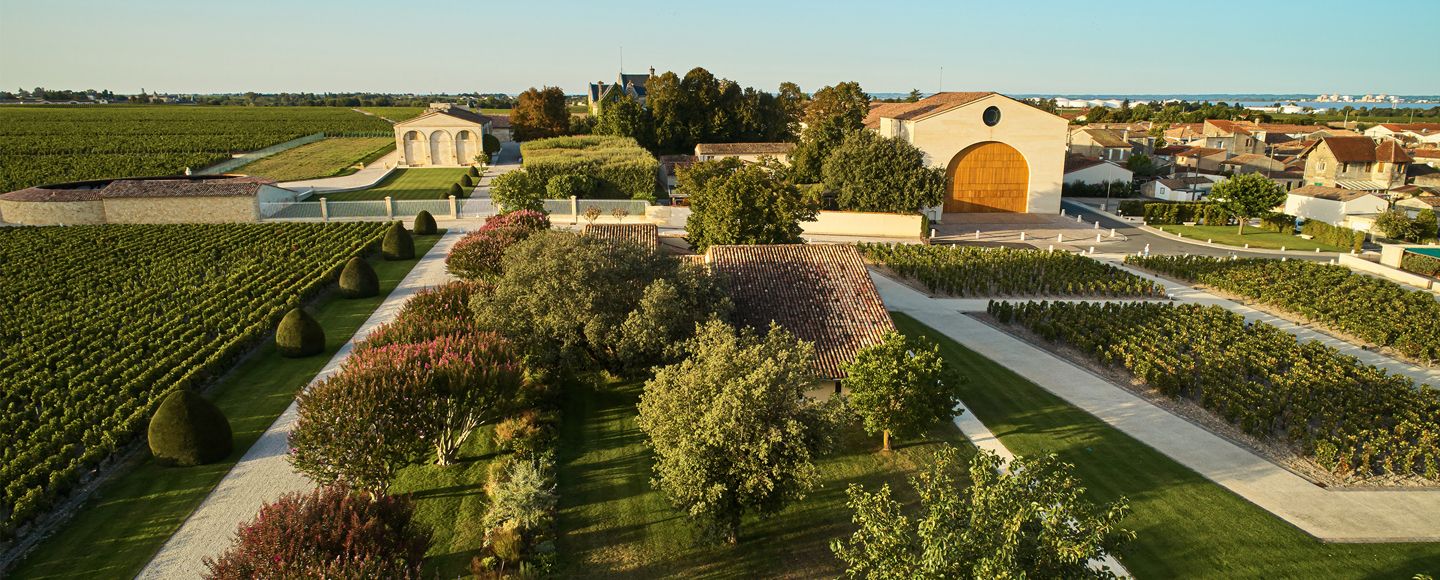
- In Burgundy, Aligoté has its own village appellation: Bouzeron, the only village in the Côte Chalonnaise dedicated exclusively to Aligoté production.
- It is traditionally planted on upper slopes and in soils less favorable to great Chardonnays, which long reinforced its image as a secondary grape.
- Widely adopted in Eastern Europe â Bulgaria, Romania, Ukraine, Russia â where its cold hardiness and productivity make it a go-to variety.
III. Tasting Profile
- Aligoté produces fresh, light, tonic wines with a pale yellow robe and green highlights.
- The aromatic profile is dominated by lemon, green apple, and fresh-cut herbs, often accompanied by a chalky minerality and subtle buttery notes.
- Its zesty acidity makes it the ideal base for Kir, the classic Burgundian cocktail (Aligoté + crème de cassis). Today’s top producers are proving it can also yield complex, mineral-driven wines built for aging.
THE END



Please log in to view comments