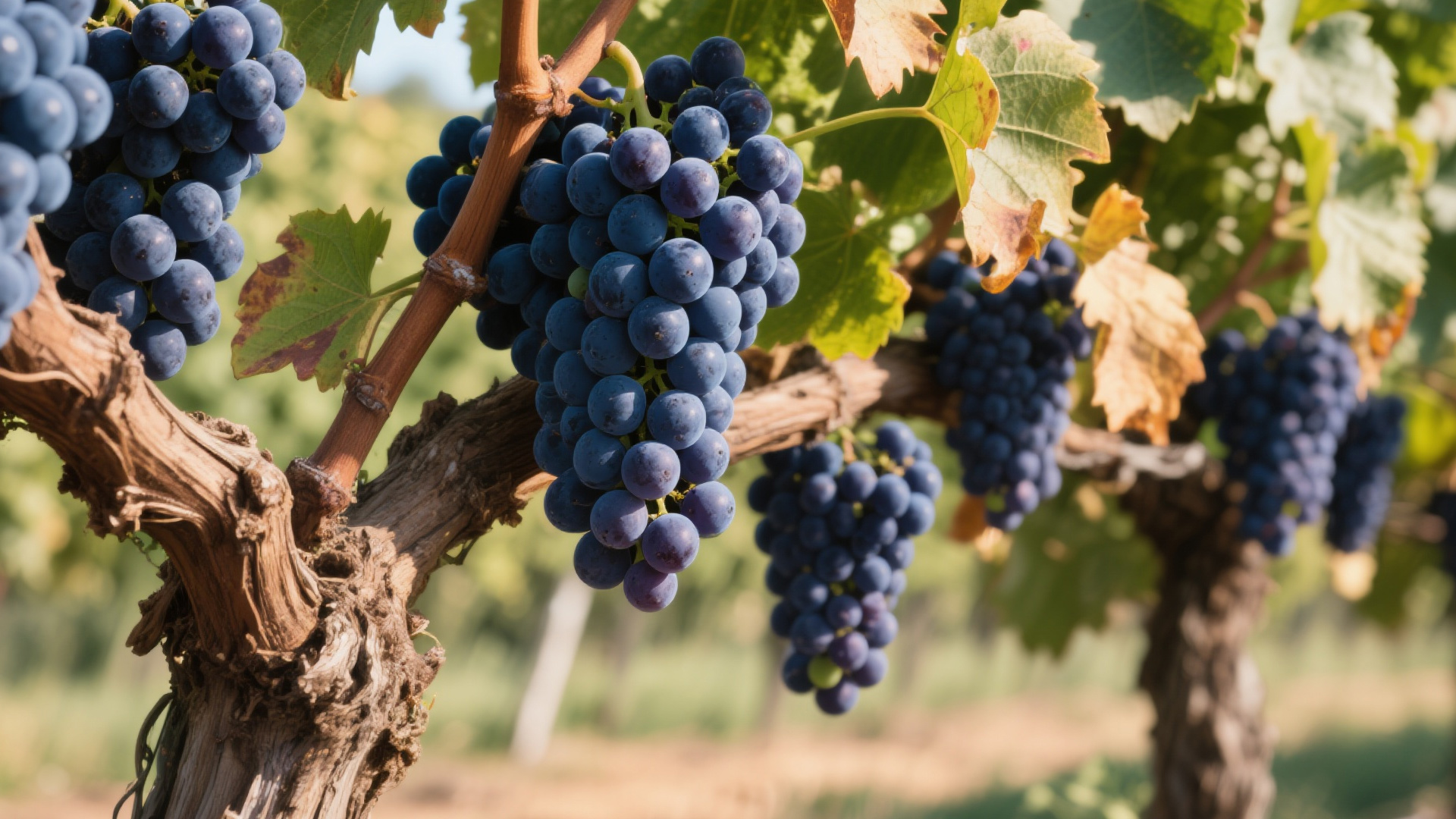




Chinese Name: Gamay (ä½³ç¾)
Other Names: Gamay Noir, Beaujolais, Bourguignon Noir, Gamay Beaujolais, Gamay Noir à Jus Blanc, Petit Gamay, Plant Robert
Country of Origin: France (Burgundy / Beaujolais)
Growing Regions: France, Switzerland, United States, Canada, New Zealand, South Africa
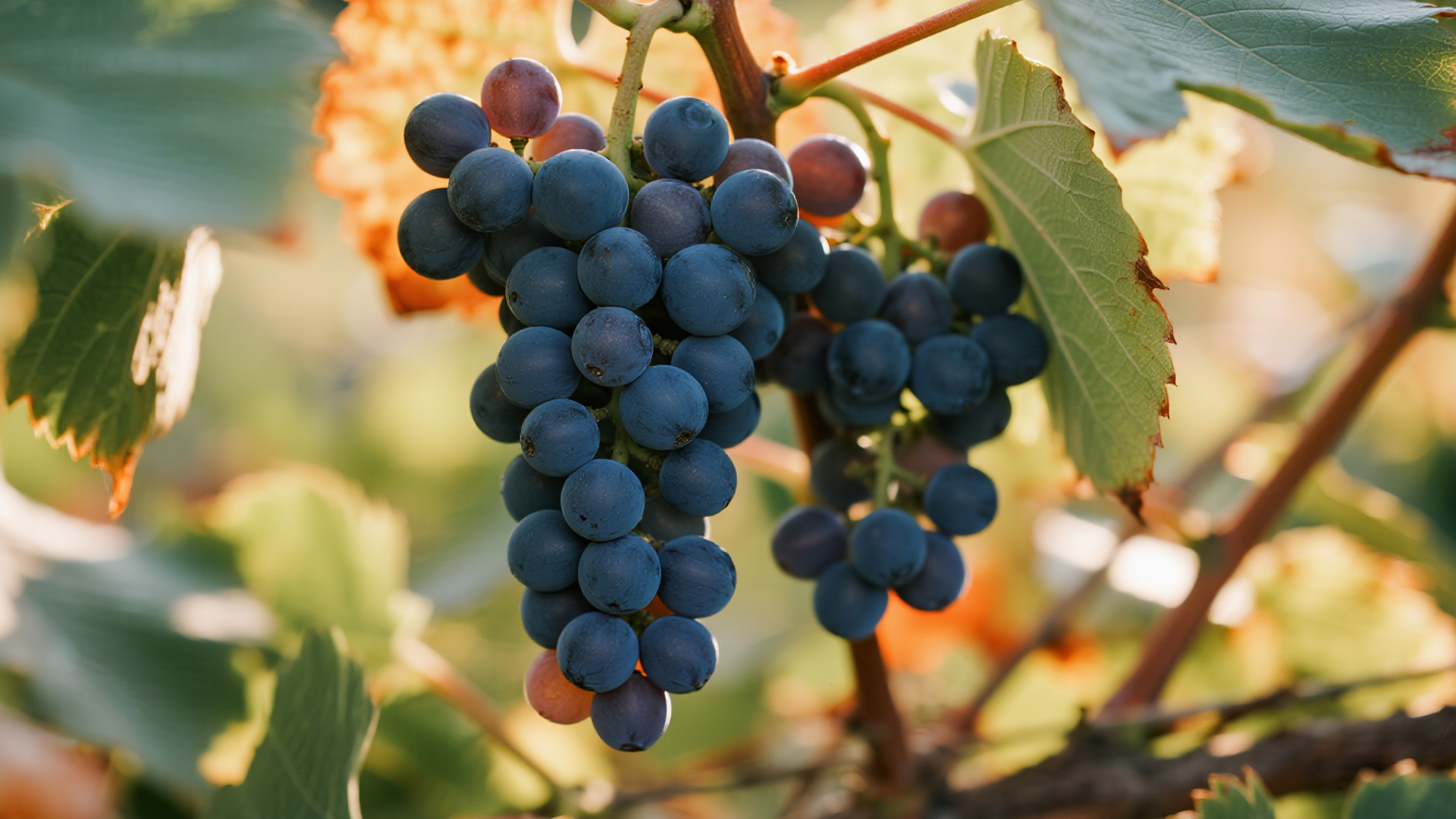
Typical Aromas: banana, blueberry, cherry, sour candy, raspberry
Gamay is an ancient red grape variety from Burgundy that found its true home in Beaujolais.
I. Genetic Origins
- First mentioned in 1395 under the name “Gaamez,” Gamay is a medieval French grape variety.
- DNA analysis reveals that it comes from a natural cross between Pinot Noir and Gouais Blanc, just like Chardonnay and Aligoté.
II. The Story of Its Banishment
- At the end of the 14th century, Duke Philip the Bold of Burgundy, a fervent Pinot Noir lover, deemed Gamay too light and ordered it uprooted from all of Burgundy.
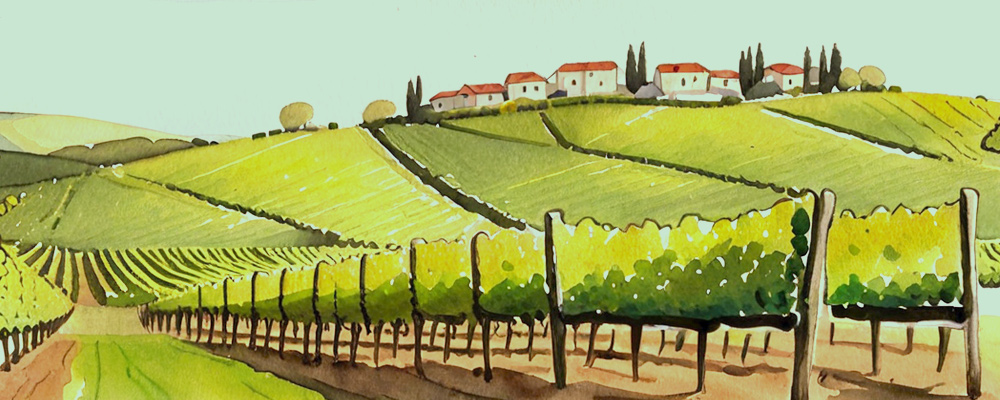
- Gamay was relegated to the granite-rich, poor soils of Beaujolais, south of Burgundy â an exile that turned out to be providential: on these terroirs, Gamay produced wines of incomparable freshness and vibrancy.
- A legend tells that during the Black Death epidemics, Gamay continued to produce grapes, offering local populations a life-saving drink.
III. Beaujolais, Land of Excellence
- Gamay is almost exclusively associated with Beaujolais, where it covers 98% of the vineyard.
- Beaujolais Nouveau, made by carbonic maceration and released on the third Thursday of November, has become a worldwide phenomenon celebrating the arrival of the new vintage.
- The ten Crus of Beaujolais (Morgon, Moulin-Ã -Vent, Fleurie, Brouilly, etc.) demonstrate that Gamay can produce complex, structured, long-aging wines with great minerality.
- Outside France, Gamay is also grown in Switzerland, Canada, the United States, and New Zealand.
THE END



Please log in to view comments