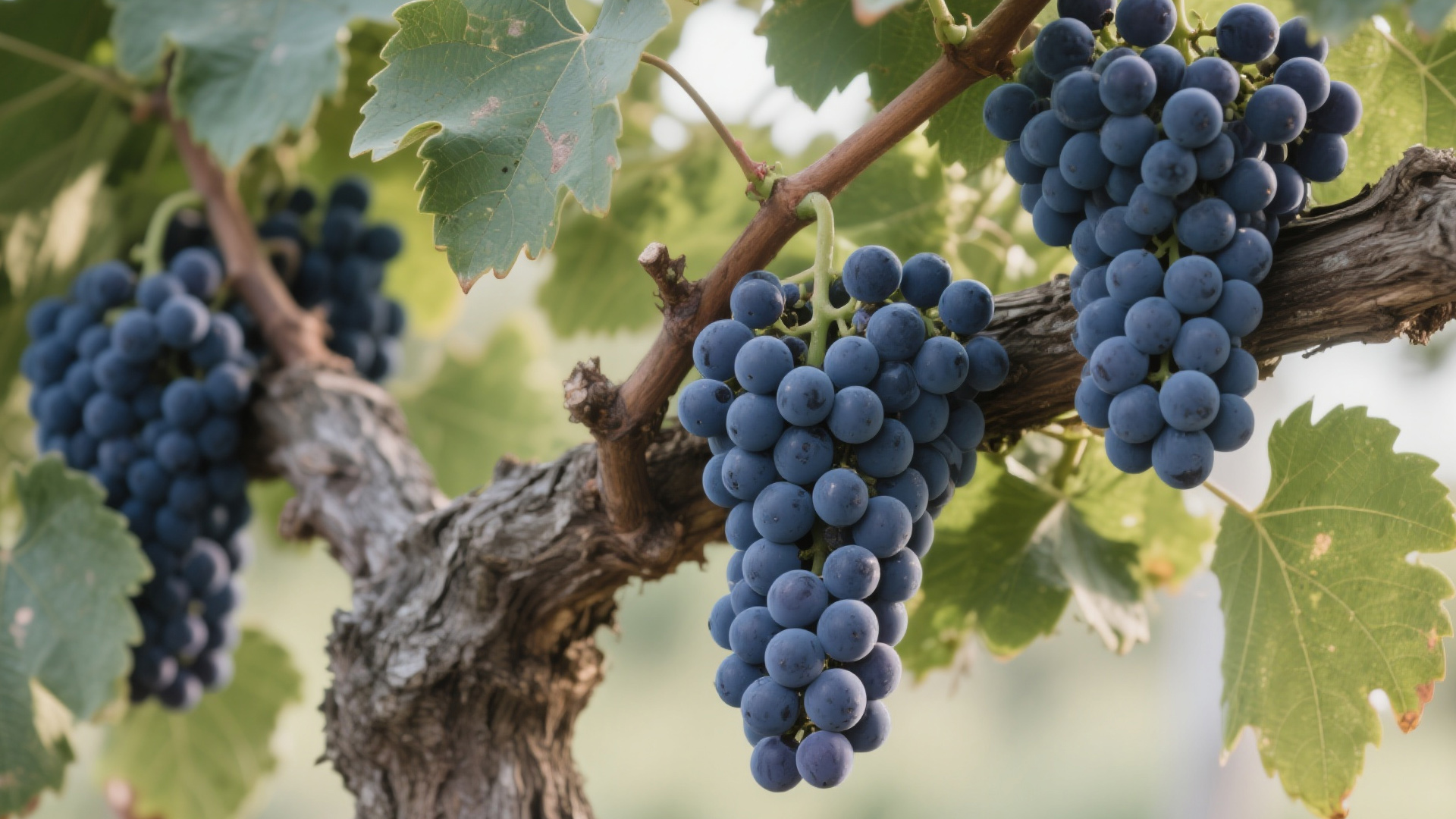




Chinese name: Pinot Franc (Cabernet Franc)
Other names: Acheria, Ardounet, Bidure, Bordeaux, Bordo, Boubet, Bouchet Franc, Gros Bouchet, Bouchy, Breton, Burdeas Tinto, Cabernet Aunis, Cabernet Franco, Cabernet Frank, Cabernet Gris, Cabrunet, Capbreton Rouge, Carmenet, Couahort, Fer Servandou, Gamput, Hartling, Plant Breton, Plant de l’Abbe Breton, Sable Rouge, Trouchet, Tsapournako, Verdejilla Tinto, Veron, Vidure, Vuidure, Grosse Vidure
Country of origin: France
Growing regions: France, United States, Italy, Canada, South Africa, Argentina, Chile
Typical aromas: strawberry, red plum, raspberry, bell pepper, crushed stone
Cabernet Franc traces its origins to the Basque region, on the border between France and Spain.
I. Origin and Etymology
- Studies suggest Cabernet Franc dates back to the 12th century.
- It likely originated in the village of Roncesvalles, in the French Basque Country, where the climate and soils offer ideal growing conditions.
II. History and Spread
- In the Loire Valley, archives confirm its cultivation as early as the 16th century, where it was then known as “Breton.”
- Over time, Cabernet Franc spread throughout France, notably to Bordeaux, where it became one of the most important red grape varieties.
- It has also been successfully introduced to Italy, the United States, and numerous other wine-producing countries.
III. Characteristics and Genetic Parentage
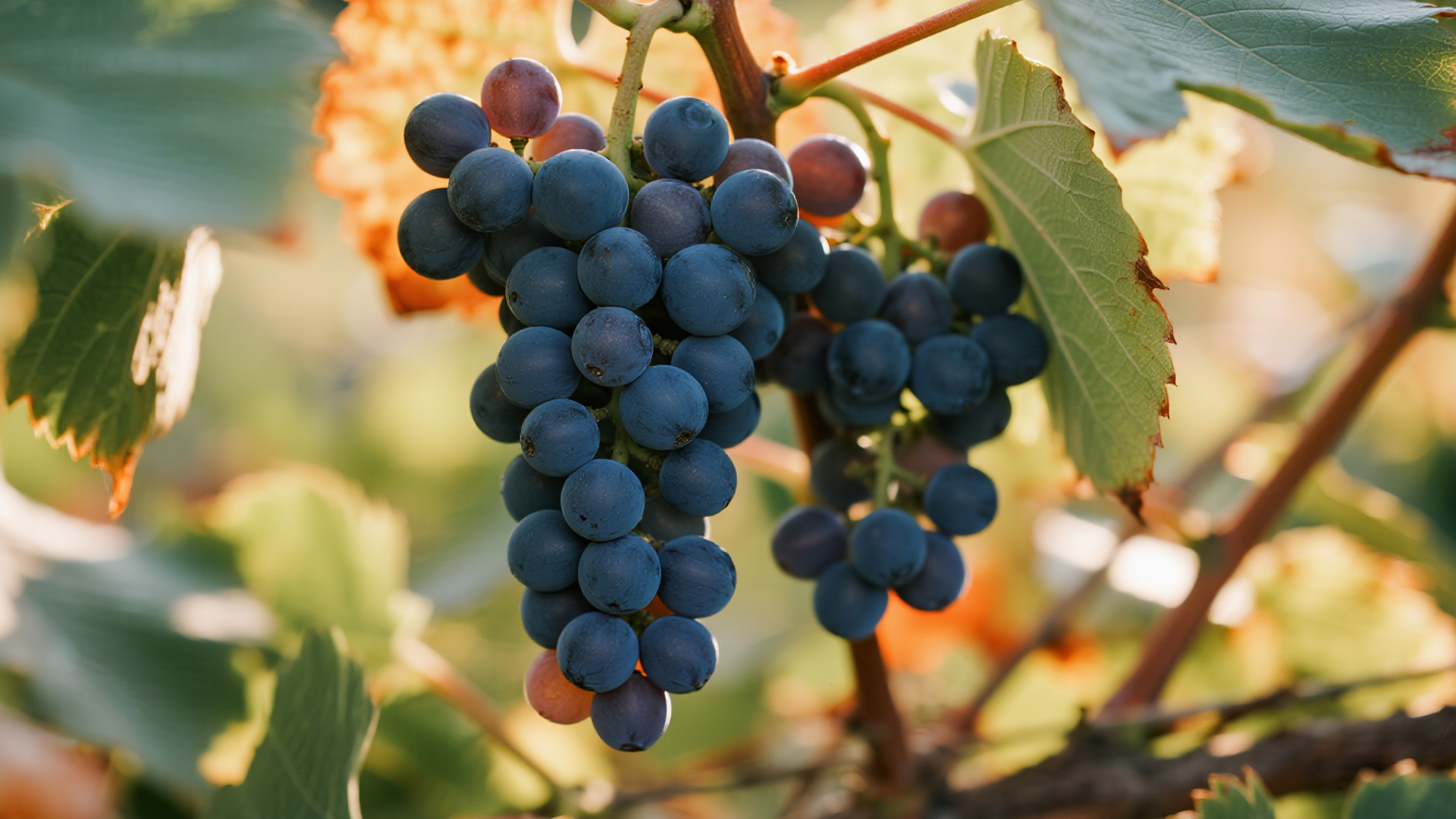
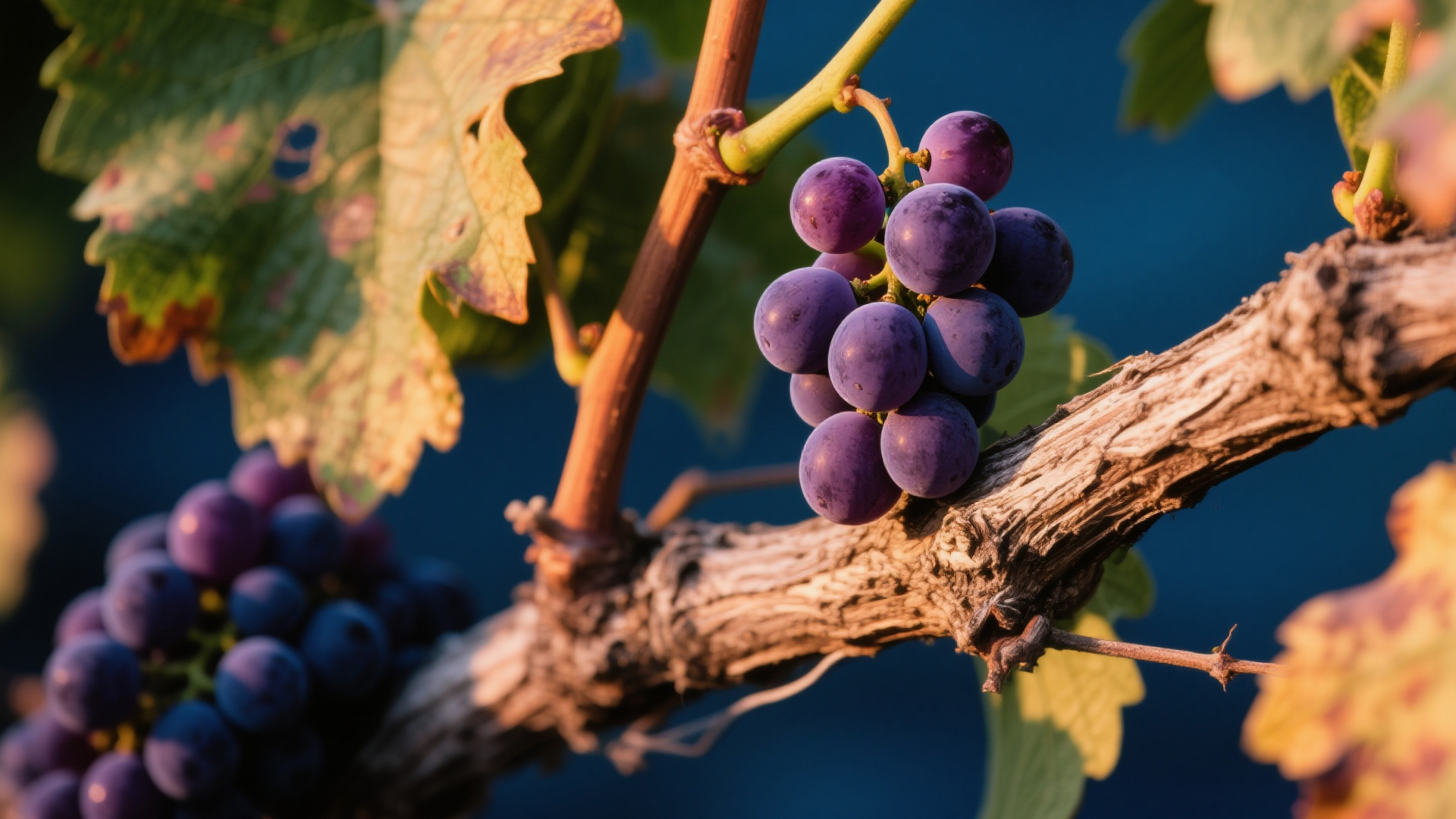
- Cabernet Franc is a red grape prized for its intense fruity aromas, supple texture, and moderate tannins. Its berries are small, thin-skinned, and have balanced acidity.
- DNA analysis has revealed that Cabernet Sauvignon, Carménère, and Merlot are all descendants of Cabernet Franc, demonstrating its foundational role in the evolution of Bordeaux grape varieties.
IV. Modern Viticulture
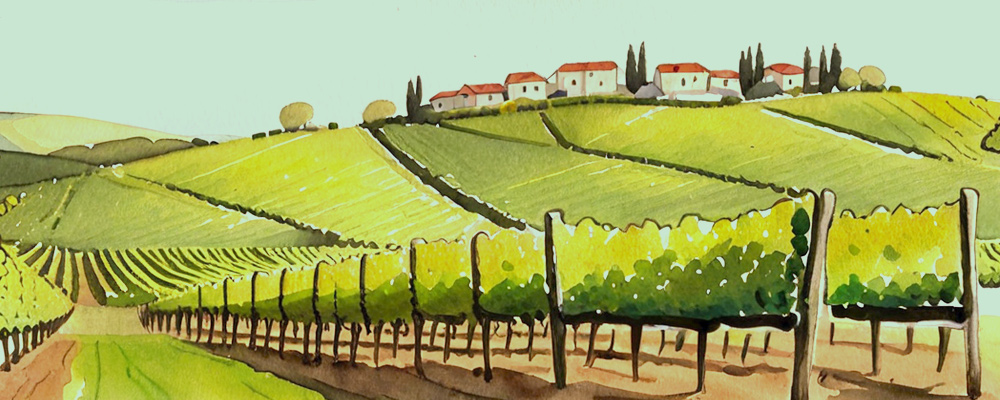
- Today, Cabernet Franc is grown worldwide, with a notable presence in France, Italy, and the United States. Its strong adaptability allows it to thrive under various climates and soil types.
- In the cellar, it can produce single-varietal wines of great elegance, or be blended with other varieties to add complexity and aromatic finesse.
- In the Loire Valley, particularly in Chinon and Bourgueil, it yields wines of pure expression, with notes of violet and pencil lead.
THE END


Please log in to view comments