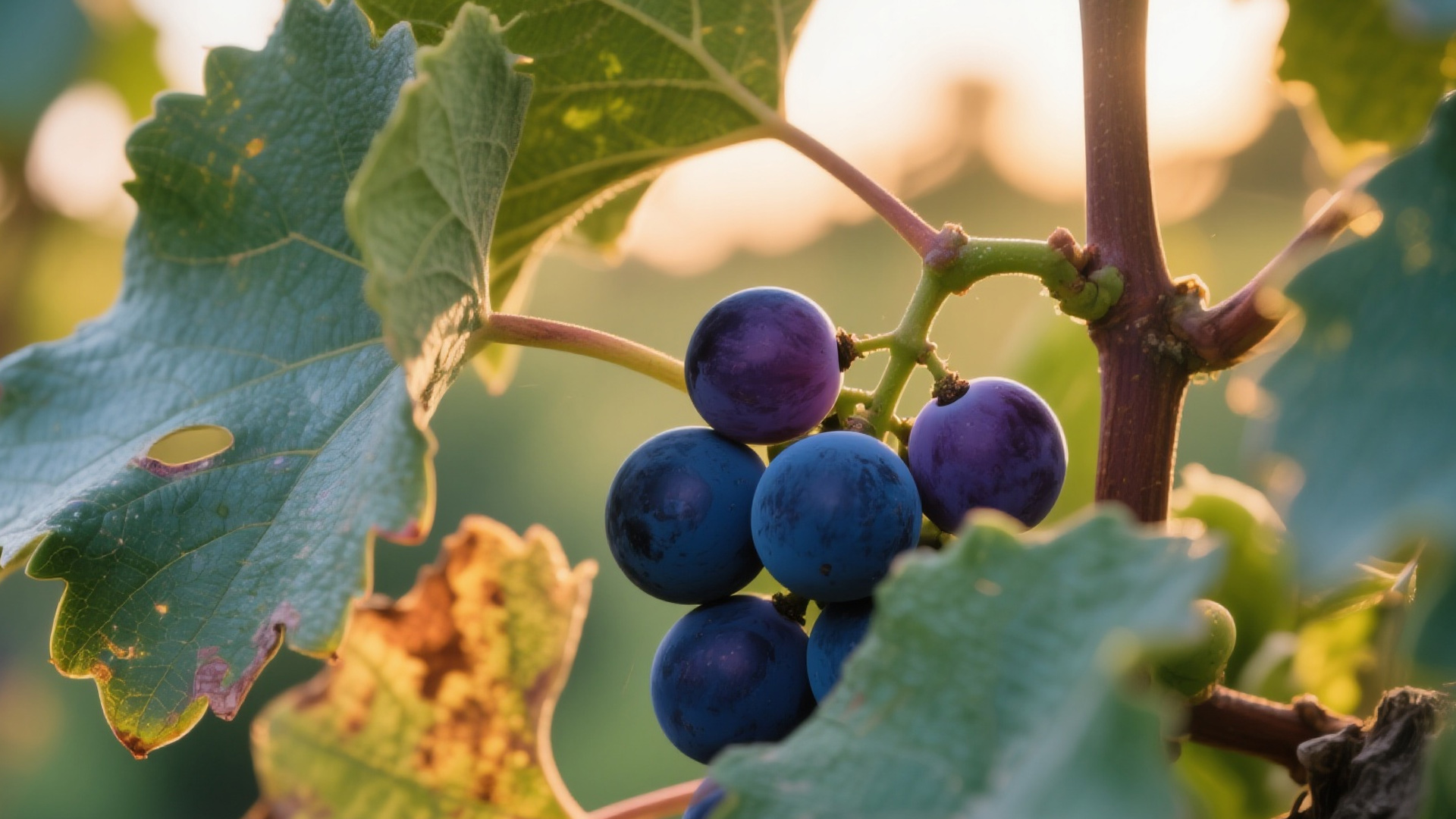




Alias: Black St. Peters, Crljenak Kastelanski, Gioia Del Colle, Kratosija, Locale, Morellone, Plavac Veliki, Pribidrag, Primaticcio, Primativo, Primitivo, Primitivo Di Gioia, Primitivo Nero, Taranto, Trebidrag, Tribidrag, Uva Della Pergola, Uva Di Corato, Zagarese, Zin, ZPC, Zenfendal, Zinfardel, Zinfindal, Zeinfandall, Zinfardell, Zinfindel, Zinfandal
Origin: Croatia
Growing Regions: United States, Italy, Australia, Croatia, South Africa, France
Typical Aromas: Black fruits, dried fruits, and sweet spices.
Zinfandel is a red grape variety originating from central Dalmatia in Croatia.
I. Original Name and Place of Origin
Original Name: The primitive name of Zinfandel is Tribidrag.
Place of Origin: Modern DNA analysis has confirmed that this grape variety has its roots in the Dalmatia region of Croatia.
II. Evolution of Names and Growing Regions
Zinfandel: This name is particularly renowned in California, United States. In the early 19th century, the variety crossed the ocean to America and quickly achieved great success in California.
Primitivo: In southern Italy, particularly in the Puglia region, it is known as Primitivo. This term derives from the Latin word Primativus, meaning “the one that ripens first.”
III. Grape Identification and Controversy
Identification: In 1994, DNA testing proved that Primitivo and Zinfandel are the same grape variety.
Naming Controversy: Despite this scientific certainty, disputes persist over the use of the names. In 1985, the relevant U.S. authority prohibited using “Zinfandel” as an alias for Primitivo. In 1999, the European Union authorized Italian winemakers to include the name Zinfandel on their Primitivo wine labels. This decision displeased the United States, which initiated legal proceedings. To date, no agreement has been reached between the two parties.
IV. Viticultural and Winemaking Characteristics
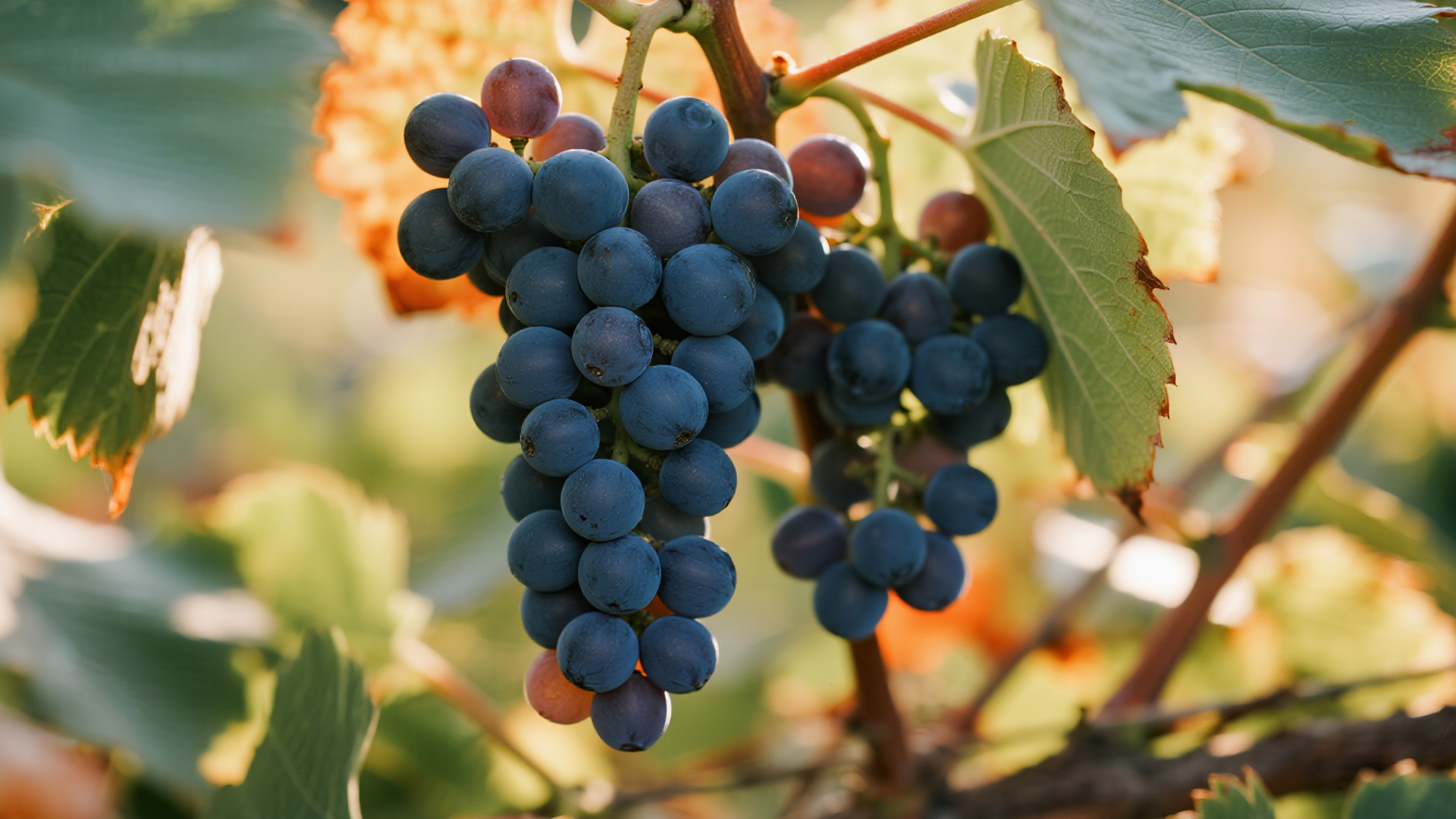
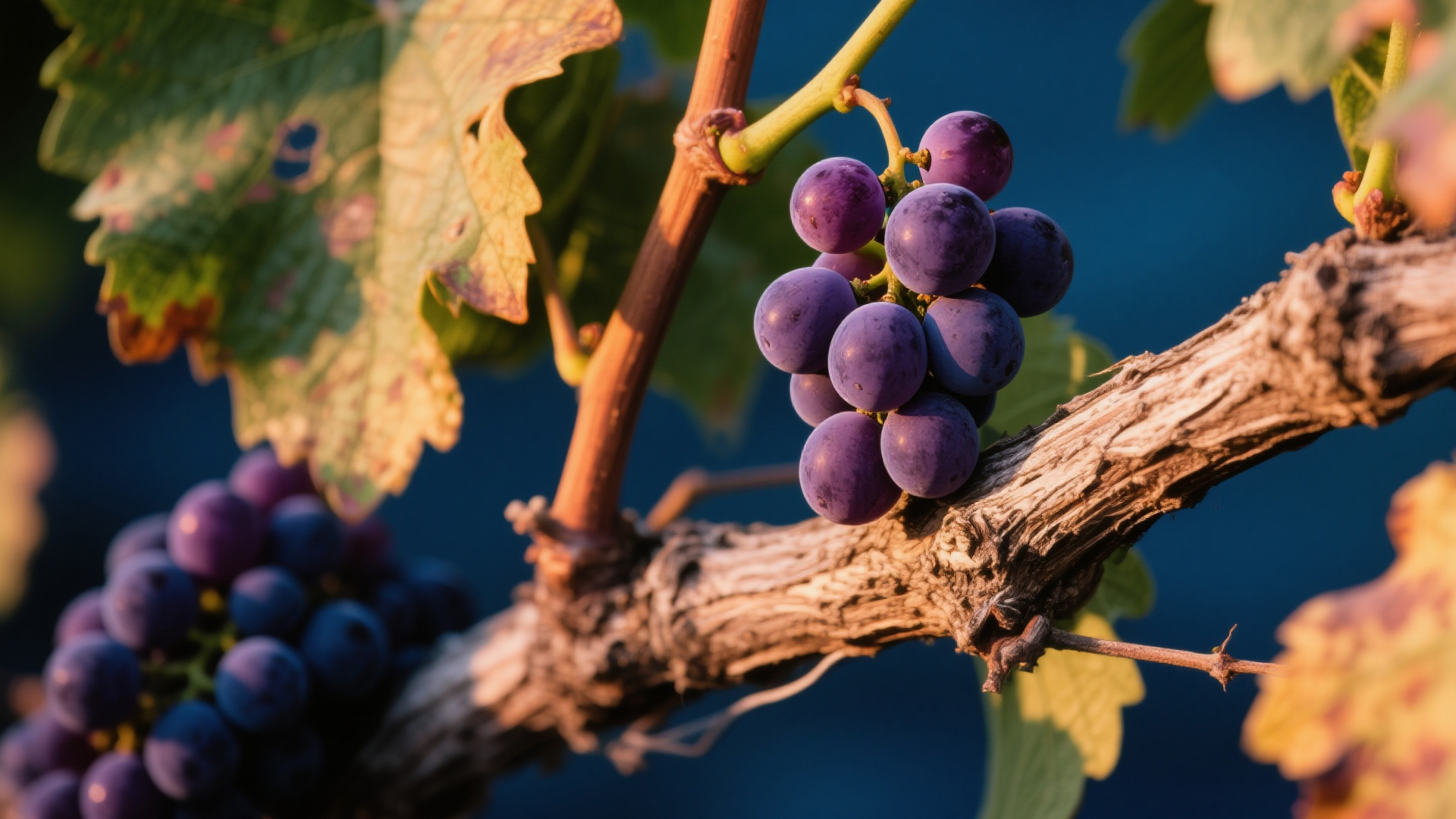
Viticultural Characteristics: Zinfandel is a high-yielding, mid-to-late-ripening grape variety. It adapts perfectly to poor, well-drained soils. Its clusters are large and compact, but often show uneven ripeness within the same bunch. It is also susceptible to grey rot.
Winemaking Characteristics: This variety produces wines in a range of styles: dry wines, sweet wines, and semi-sweet rosés commonly known as White Zinfandel. California currently has the largest Zinfandel plantings in the world and produces wines of excellent quality.
V. Key Terroirs and Style Profiles
California (United States): California’s old-vine Zinfandel is found primarily in Sonoma County and the Napa Valley. Wines from these old vines are remarkably refined, with moderate alcohol, concentrated aromas, fine balance, and good aging potential.
Puglia (Italy): Primitivo is predominantly cultivated in this southern Italian region. The emblematic appellations are Primitivo di Manduria DOC, Primitivo di Gioia del Colle DOC, and Primitivo di Manduria Dolce Naturale DOCG.
VI. History and Anecdotes
The Zinfandel War: The numerous conflicts and debates surrounding the origin and naming of this grape are known as the “Zinfandel War.”
Spread and Development: After leaving Croatia for Italy and then the United States, Zinfandel gradually became one of the major grape varieties in these regions.


Please log in to view comments