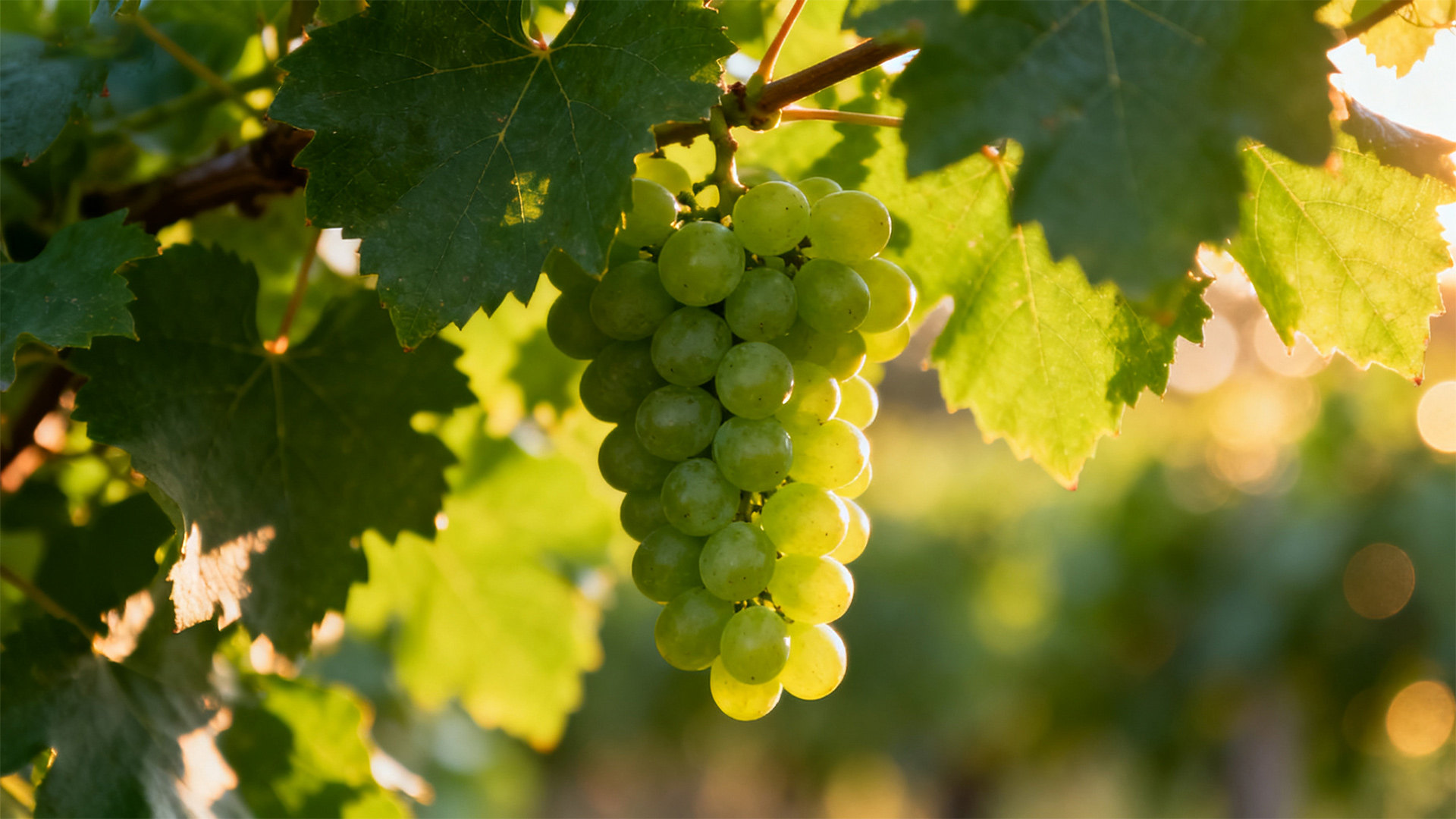




Chinese Name: Riesling (é·å¸ä»¤)
Other Names: Johannisberg Riesling, Rheinriesling, White Riesling
Country of Origin: Germany (Rhine Valley)
Growing Regions: Germany, France (Alsace), Austria, Australia, United States, New Zealand
Typical Aromas: green apple, lemon, white peach, elderflower, petrol (with aging)
Riesling is one of the world’s noblest white grape varieties, considered the king of German grapes.
I. Origins and History
- Riesling traces its origins to Germany’s Rhine Valley, where its first documented mention dates back to 1435.
- Born from a natural cross between Gouais Blanc and a wild grapevine, it quickly established itself as the flagship variety of German wine regions.
- In the 19th century, German Rieslings rivaled the greatest Bordeaux and Burgundies in price.
II. Geographic Distribution
- Germany: Riesling is grown in all major wine regions â Mosel, Rheingau, Pfalz, Nahe â producing wines ranging from bone dry (trocken) to lusciously sweet (TBA).
- Alsace: the only noble grape authorized for Alsace Grand Cru, it yields dry, mineral, long-aging wines.
- Australia: Rieslings from Clare Valley and Eden Valley are renowned for their pristine lemony purity and exceptional aging potential.
- In the United States, the Finger Lakes (NY) and Washington State also produce excellent Rieslings.
III. Characteristics and Aromatic Profile
- Riesling is an aromatic grape of great transparency, capable of precisely expressing the nuances of its terroir.
- Young, it develops aromas of green apple, lemon, white peach, and elderflower, supported by vibrant, mineral acidity.
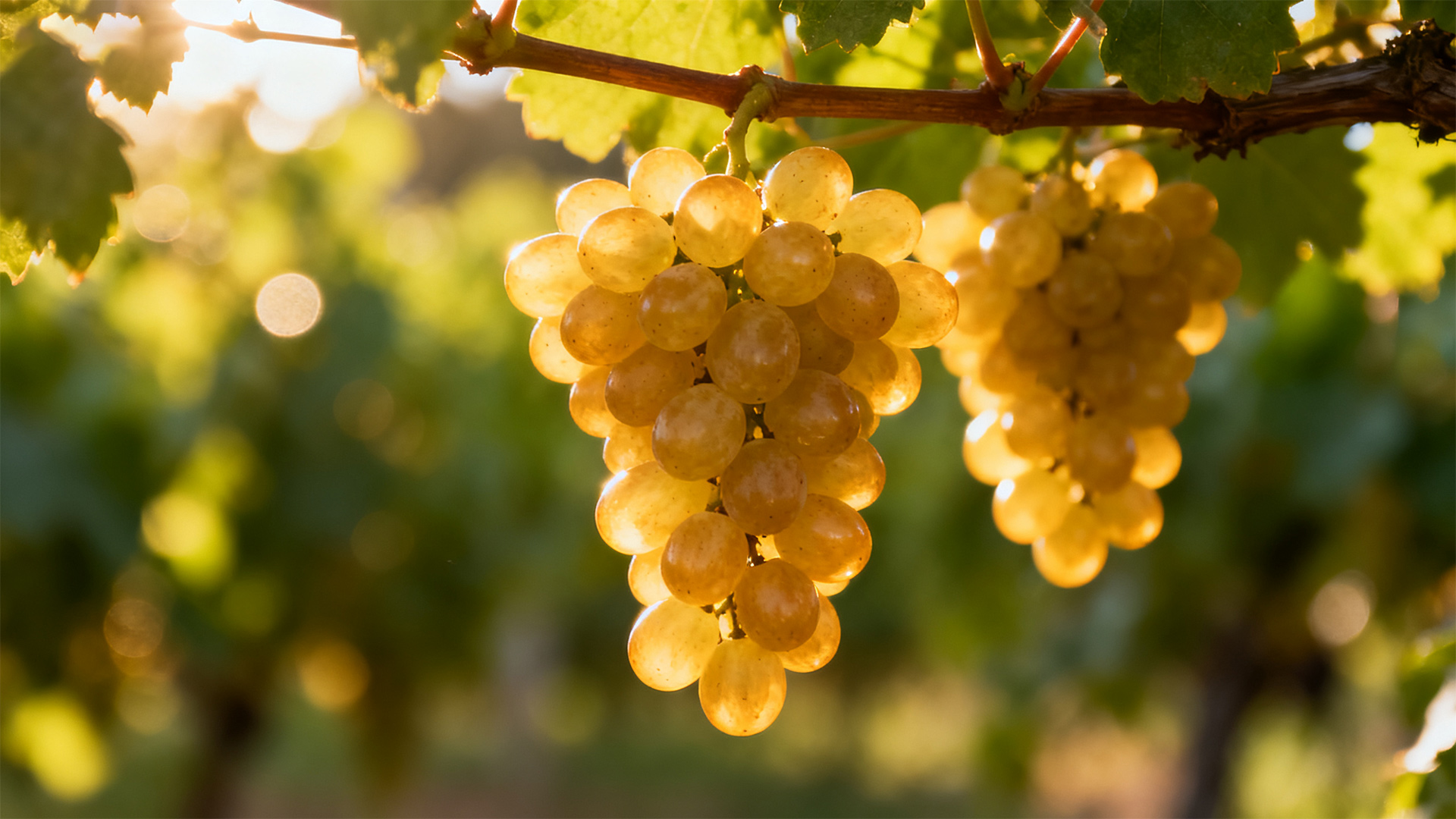
- With age, Riesling evolves toward characteristic petrol notes (TDN), honey, and candied fruits â this tertiary bouquet is highly prized by enthusiasts.
- Its stylistic range is unique: mineral dry wines, fruity off-dry, exotic sweet wines, botrytized dessert wines, and even Eiswein.
THE END



Please log in to view comments