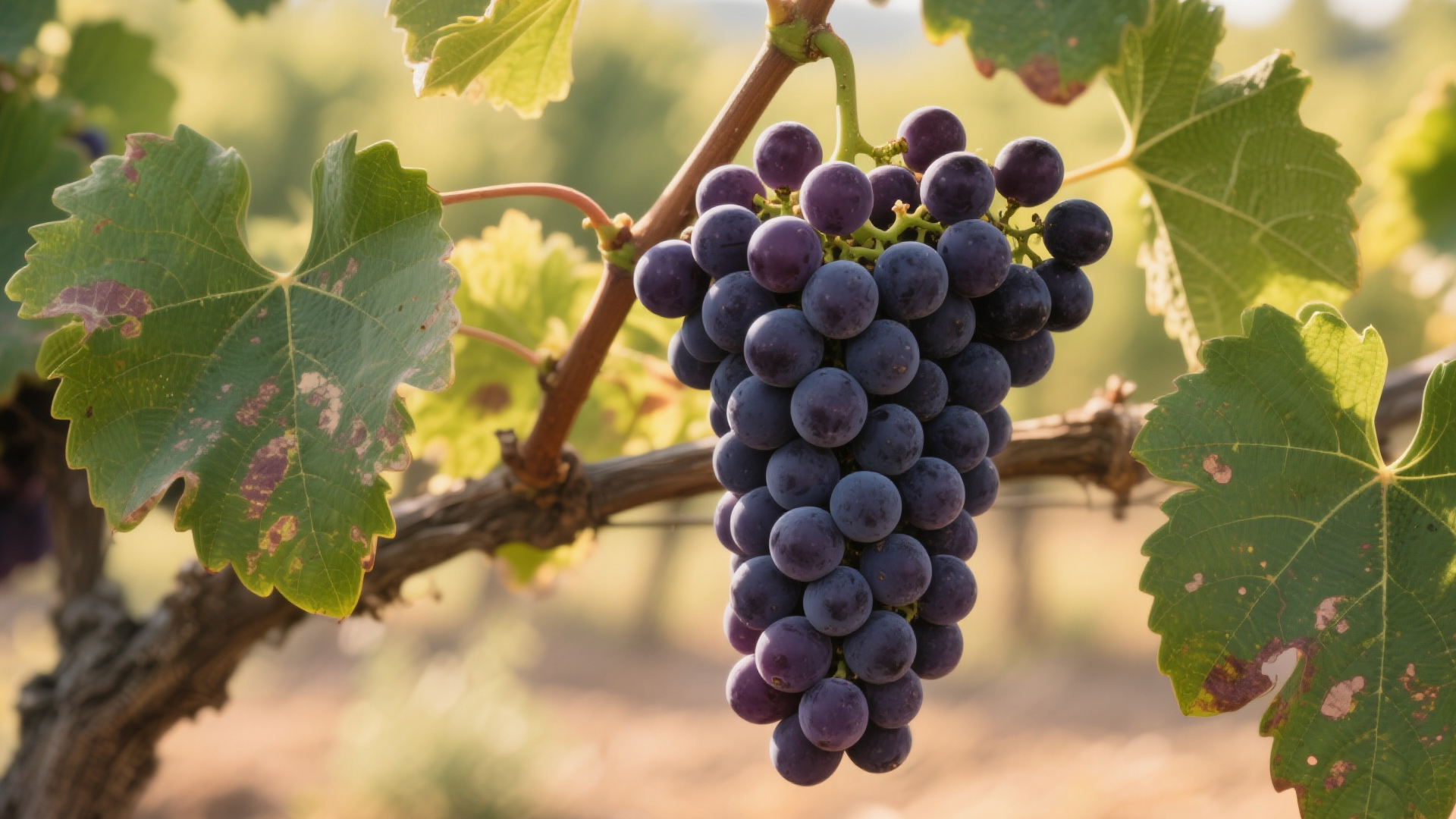




Alias: Burdeos Tintos, Bidure, Bordeaux, Bordo, Bouschet, Bouschet Sauvignon, Breton, Cabernet Petit, Carbonet, Carmenet, Castet, Kaberne Sovinjon, Lafet, Lafit, Marchoupet, Navarre, Petit Bous
Origin: France
Growing Regions: France, United States, Italy, Spain, Australia, Chile, South Africa, New Zealand, Eastern Europe, Russia, China
Typical Aromas: Blackcurrant, black cherry, green bell pepper, mint; aromas of smoke, vanilla, coffee, and cedar from oak barrel aging. After aging, notes of mushroom, dried leaves, leather, and minerals also emerge.
Cabernet Sauvignon finds its origins in the Bordeaux region of France.
I. Historical Background and Earliest Mentions
Period of Origin: According to historical records and grape evolution, Cabernet Sauvignon is believed to have appeared in the 17th century.
Earliest Mentions: As early as Roman times (23-79 AD), traces of Cabernet Sauvignon or related grape cultivation have been found, then referred to as Biturigiaca. However, historical archives do not allow us to establish with certainty its exact date of origin or earliest developments.
II. Scientific Identification and Genetic Parentage
DNA Studies: In 1997, researchers at the University of California, Davis used DNA fingerprinting techniques and demonstrated that Cabernet Sauvignon resulted from a natural cross between Cabernet Franc and Sauvignon Blanc. This discovery provided a scientific basis for studying its origins.
Parent Grapes: Cabernet Franc and Sauvignon Blanc are two renowned varieties, each with distinctive aromas and characteristics. Cabernet Sauvignon inherited qualities from both parents, developing its own unique tasting profile and organoleptic characteristics.
III. Grape Characteristics and Global Cultivation
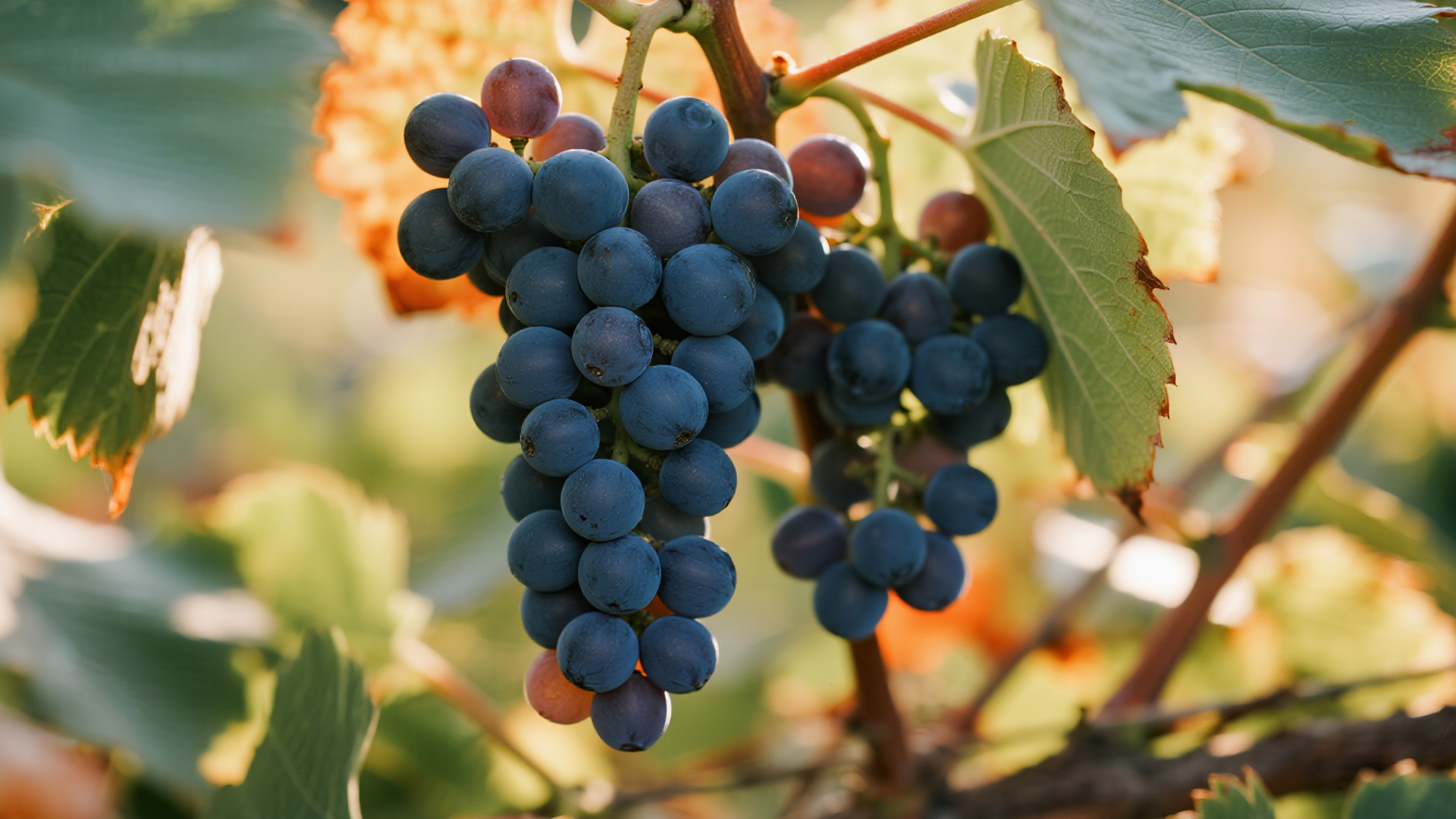
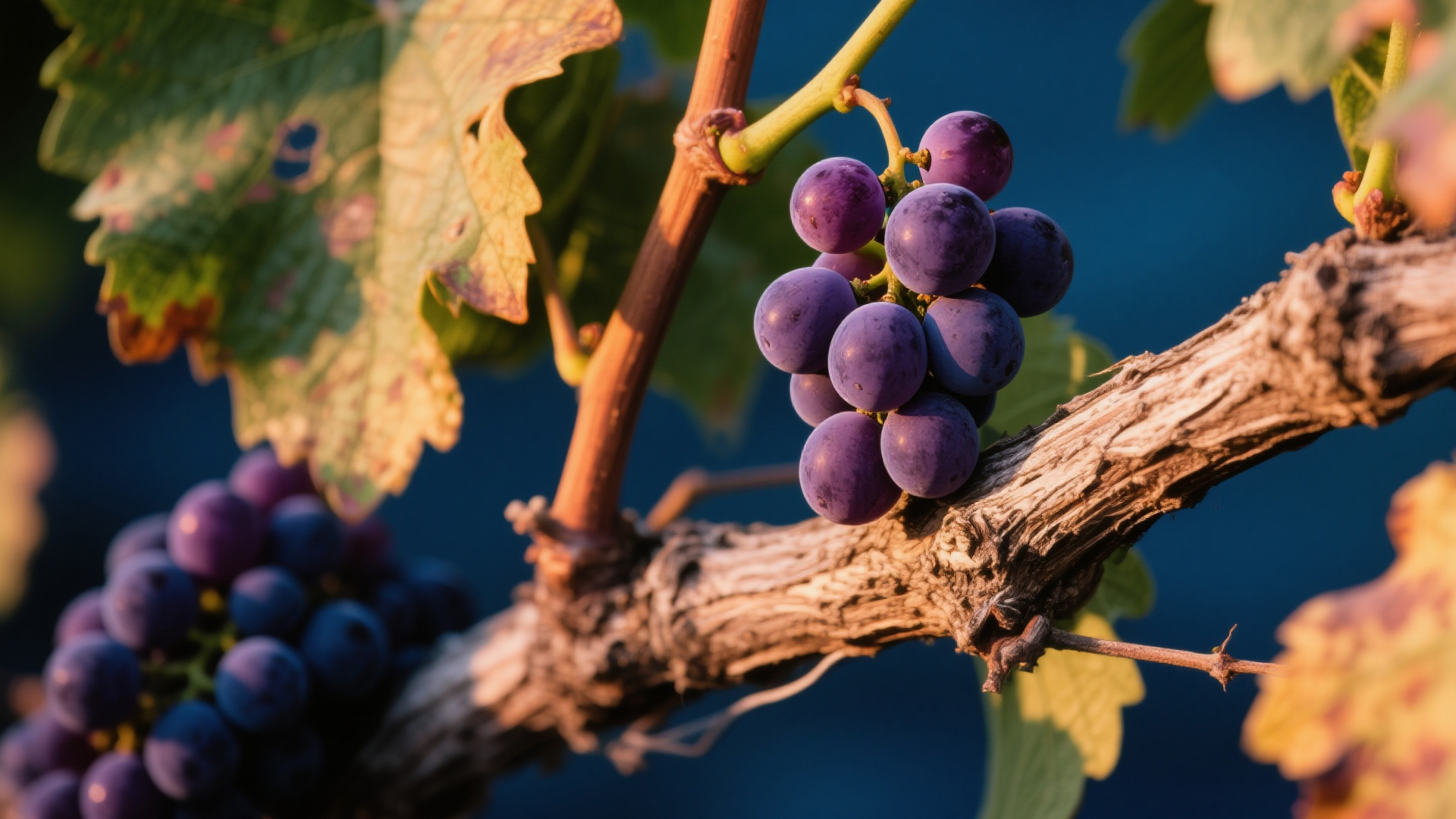
Grape Characteristics: Cabernet Sauvignon is a late-ripening red grape variety. Its berries are small, thick-skinned, and rich in seeds; it has a high concentration of pigments, acidity, and tannins, combined with an intense aromatic palette. These characteristics make it possible to produce red wines with deep color, rich body, and pronounced tannins.
Global Cultivation: Cabernet Sauvignon is today one of the most widely planted red grape varieties in the world. It thrives not only in Bordeaux, France, but also in large quantities in California (United States), Australia, Chile, Argentina, and many other regions.
IV. Local Names and Global Influence
Vernacular Names: Cabernet Sauvignon goes by various nicknames depending on the region, including Sauvignon or Cabernet in some countries. These names reflect its global reach and influence.
Influence: Thanks to its high quality and strong adaptability, Cabernet Sauvignon occupies a major position in the global wine market. It is the raw material for many great wines and is highly sought after by wine enthusiasts and collectors.






Please log in to view comments